What Are Indica Strains?
The French naturalist Jean-Baptiste Lamarck gave cannabis indica its name in 1785. He was describing plants from India that were noticeably more intoxicating than the hemp grown in Europe. Later, the word got attached to the broad-leafed, resin-heavy plants from Afghanistan and Pakistan that hash makers had favored for centuries.
Today the word does double duty. Botanists still argue over whether indica is its own species, a subspecies or just a variety. At the dispensary it works as shorthand for a style of cannabis: shorter plants, dense buds, and effects that people describe as calming and heavy.
The shorthand has limits. A 2015 genetic study of marijuana and hemp found only a moderate link between a strain's reported indica or sativa ancestry and its actual genetics, and concluded that strain names often do not reflect a meaningful genetic identity. Two jars with the same label can behave quite differently.
Where Indica Strains Come From
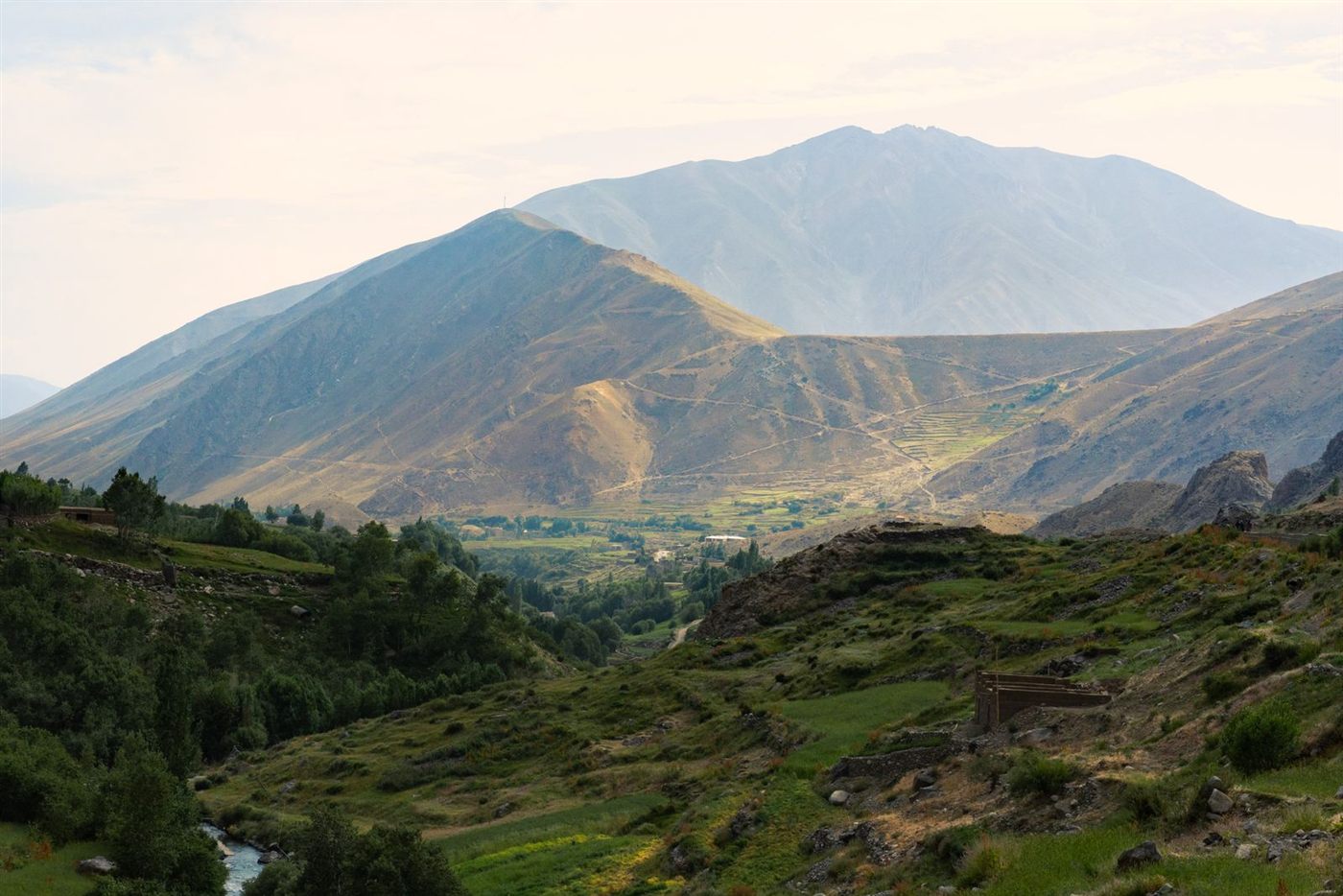
The plants that gave indica its reputation grew in the mountains of Afghanistan and Pakistan, in and around the Hindu Kush. Winters are cold, summers are dry and the wind never really stops. Plants that survive there tend to be short and sturdy, and they make a lot of sticky resin.
Hashish came first
Long before anyone talked about strains, people in the region collected the resin and pressed it into hashish. Plants that produced a lot of resin were the ones worth keeping, so growers kept selecting for it.
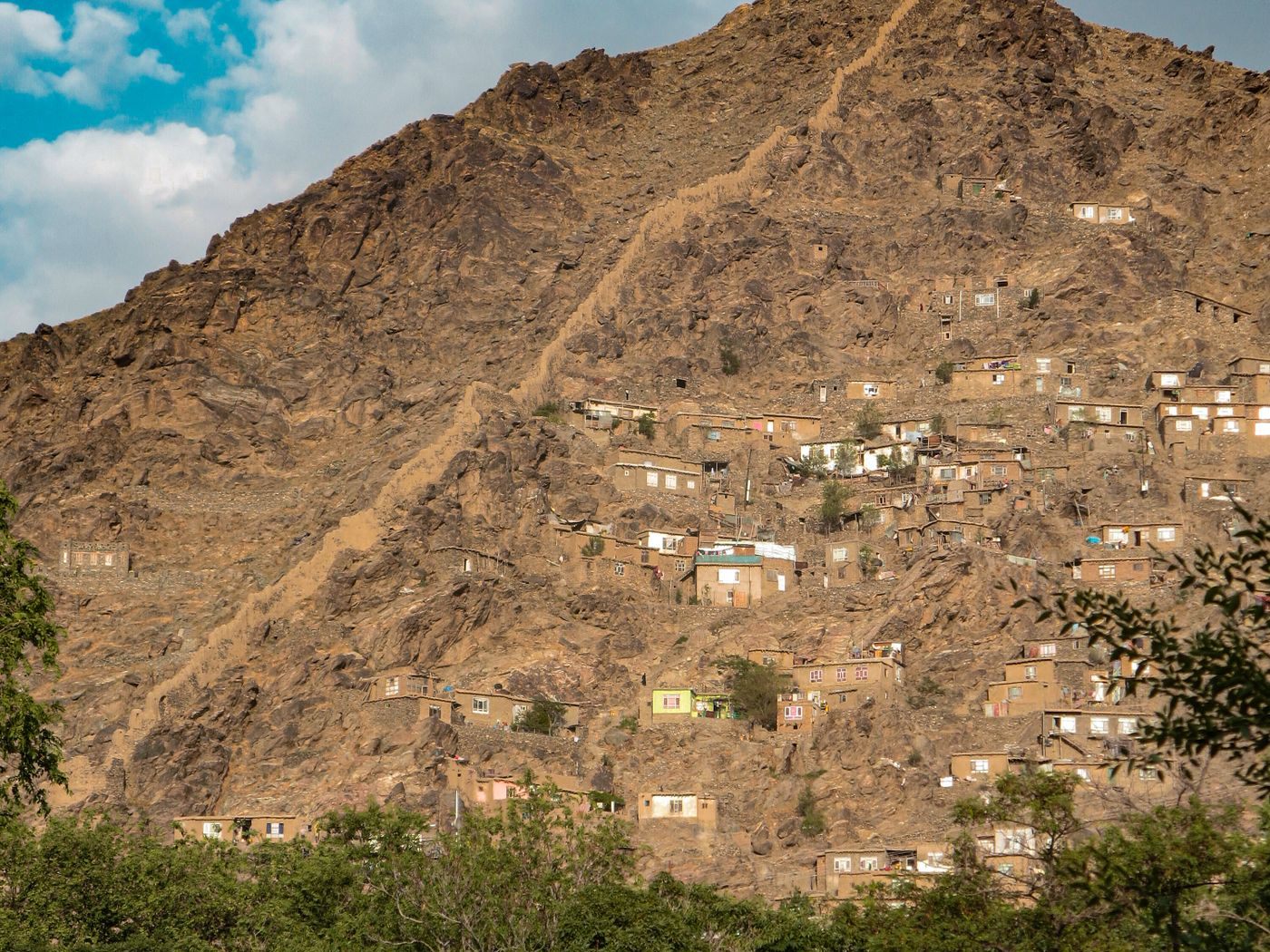
Mountain country. Dry slopes and cold nights shaped the short, hardy plants that indica genetics grew out of.
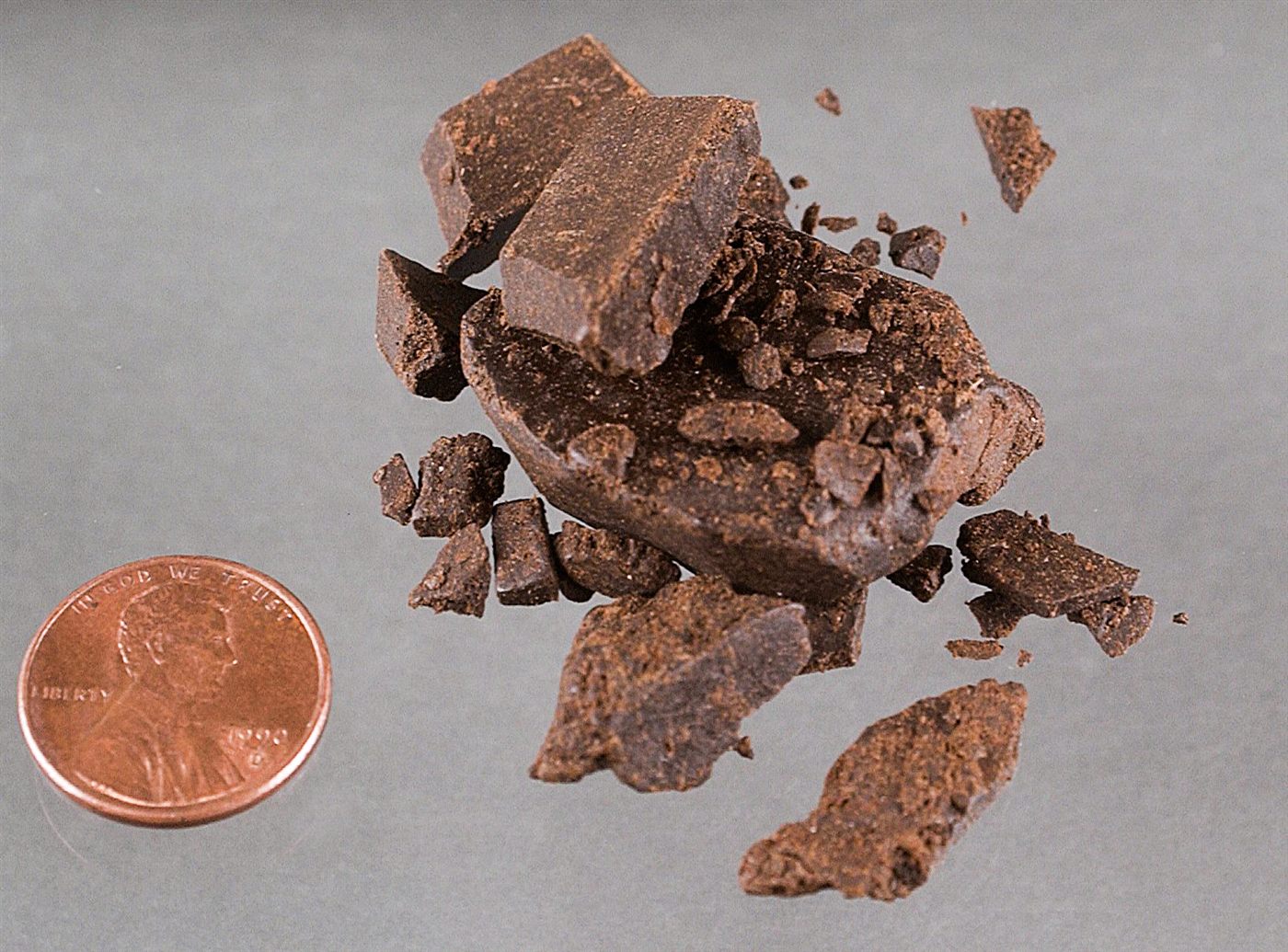
Hashish. Pressed resin has been made in this part of the world for generations.
How the genetics reached the West
In the 1960s and 1970s, travelers on the overland route from Istanbul to Kathmandu, often called the Hippie Trail, brought seeds and hashish home from Afghanistan and Pakistan. Breeders in California and the Netherlands crossed those plants with others and built the strains we know now. Afghani and Hindu Kush genetics sit behind many classic indicas. Northern Lights, for example, is usually described as an Afghani and Thai cross.
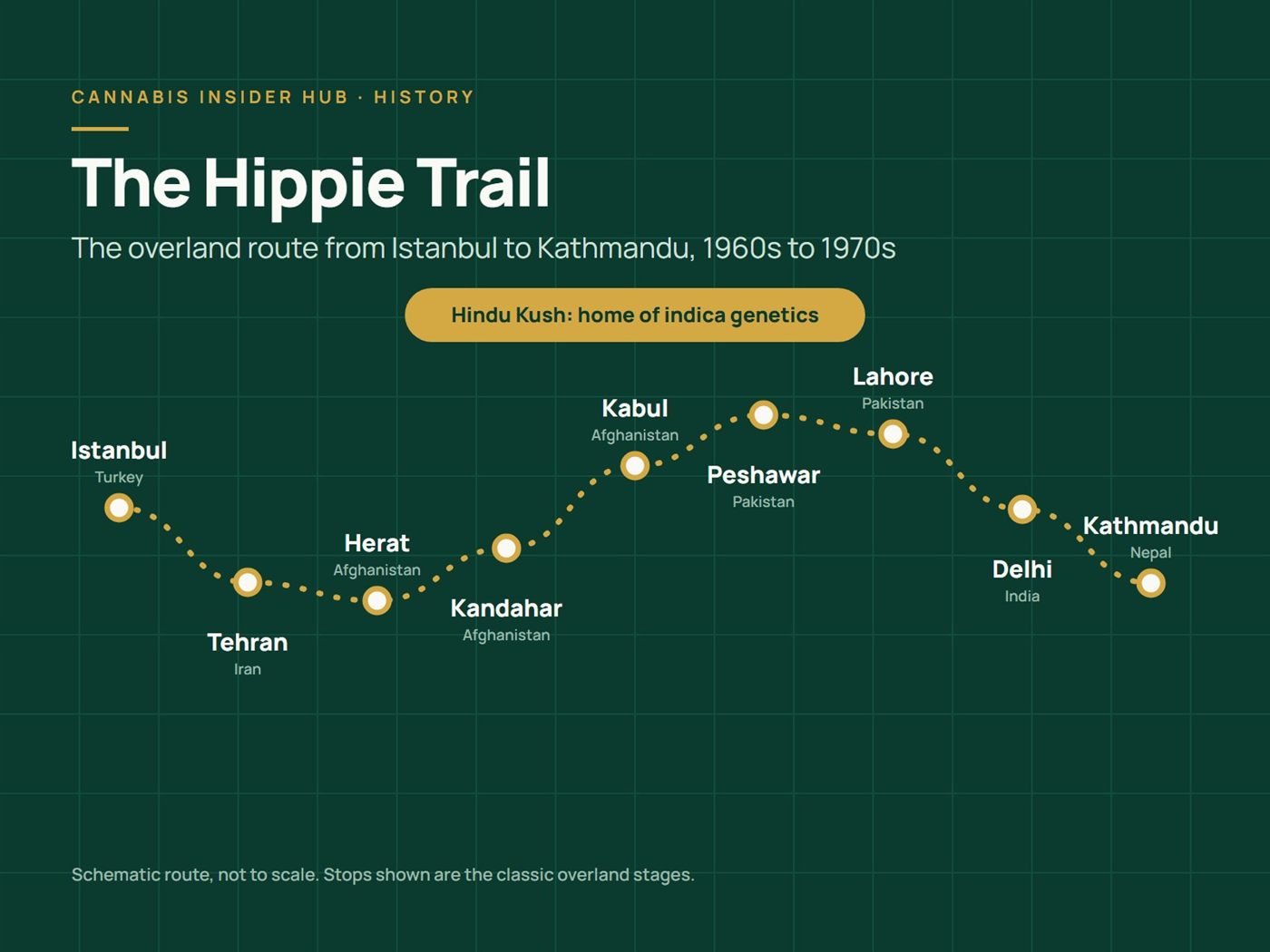
The overland route from Istanbul to Kathmandu, drawn as a schematic (not to scale).
Why indoor growers liked them
Indica-type plants usually finish flowering in about 8 to 9 weeks, faster than many sativas, and they stay compact. That suited indoor growing, which is a big part of why indica genetics are so common in today's market.
How to Spot an Indica Plant
If you ever see the plant itself, a few traits tend to give it away. Most commercial plants today are hybrids, so you will often see a mix.
Height and shape
Shorter and bushier than sativa-type plants, usually around 3 to 6 feet. The branches are tightly packed.
The leaves
The easiest giveaway. Indica leaflets are wide and fat, often a darker green, where sativa leaflets are thin and fingerlike.
The buds
Dense and compact, heavy for their size. Squeeze one gently and it feels solid, unlike the airier buds common on sativas.
Flowering time
Often 7 to 9 weeks indoors, which is quicker than most sativas.
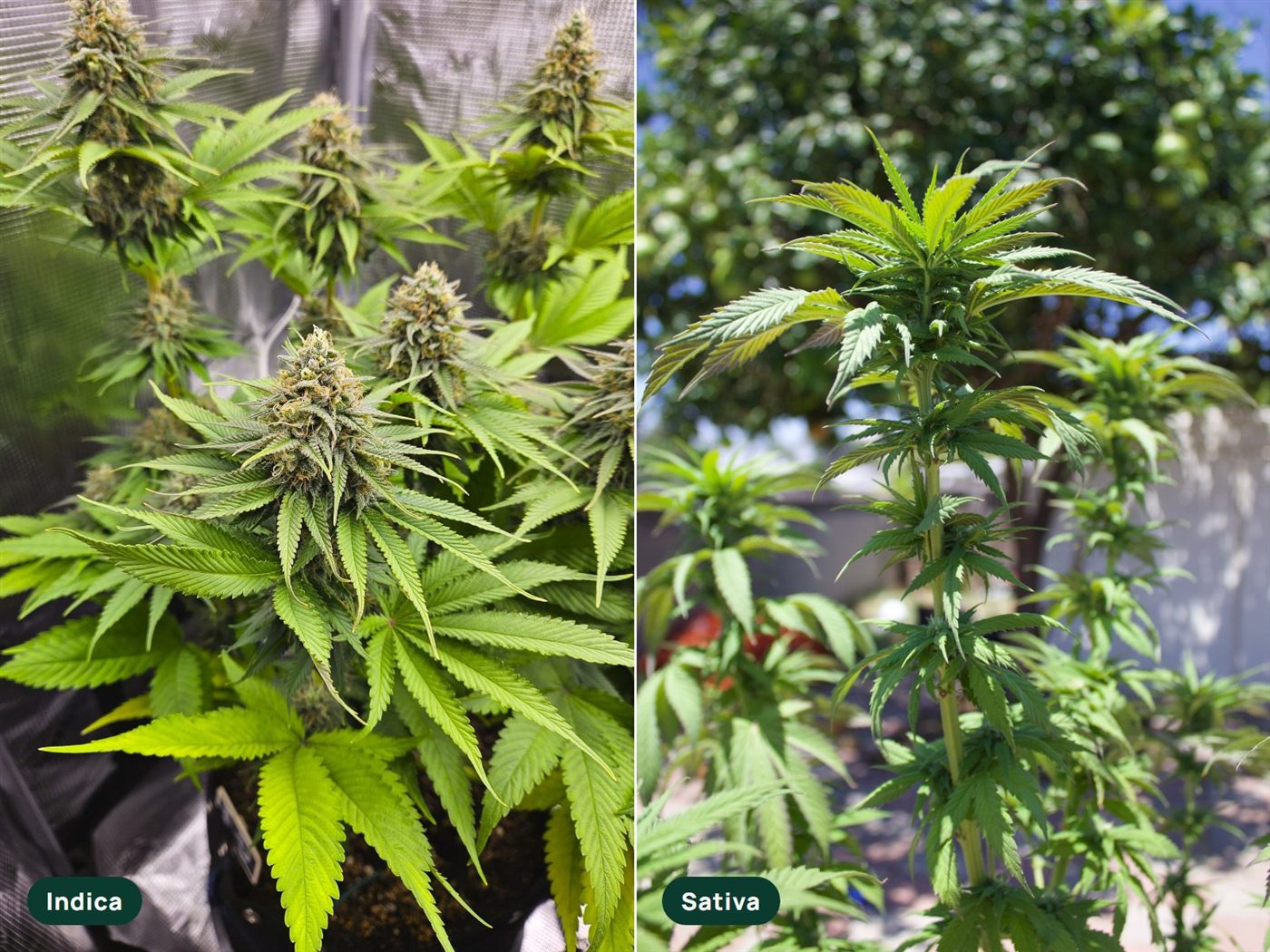
Plant structure. A compact, bushy plant (left) next to a taller, slimmer one (right). The photos are illustrative.
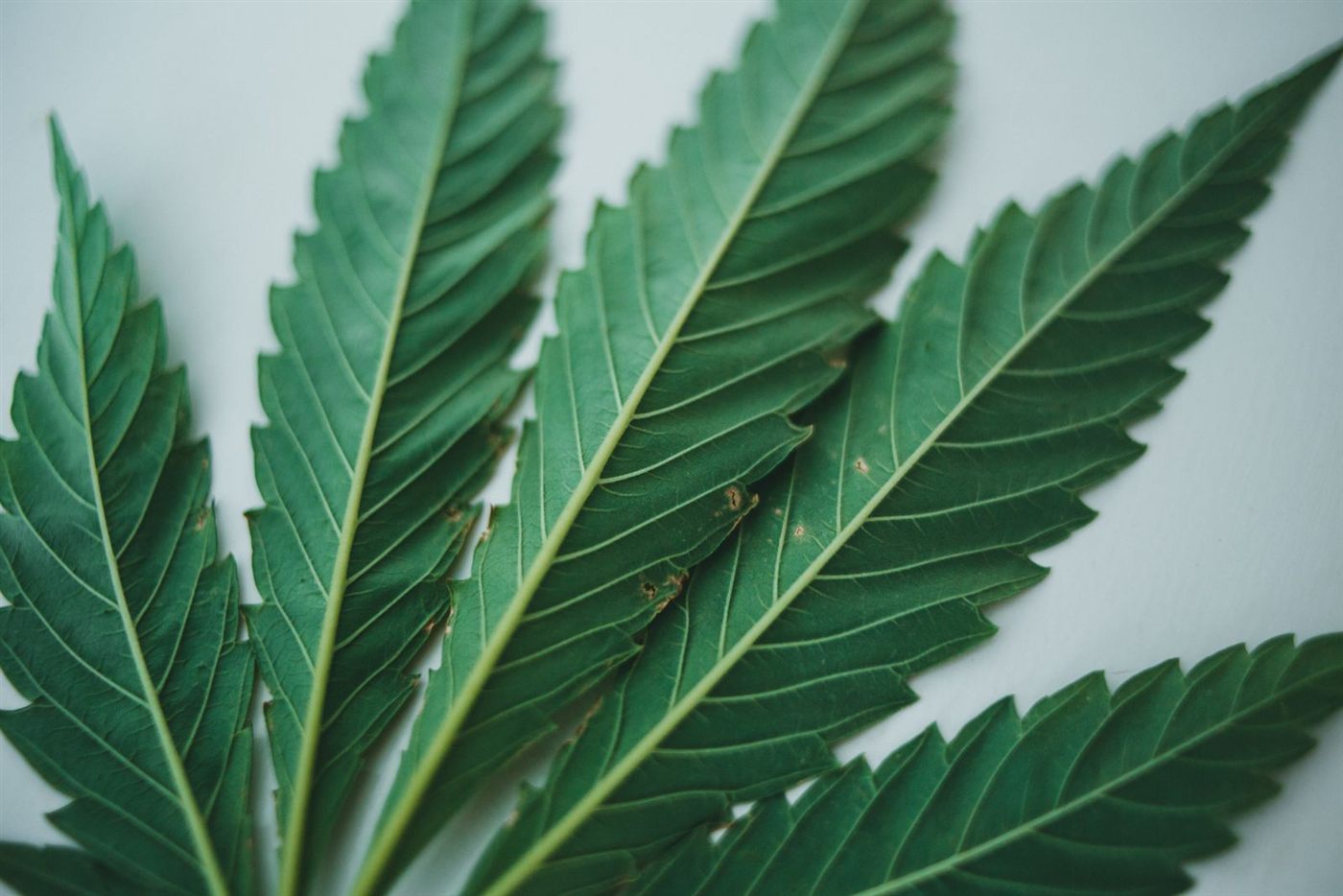
Leaf shape. Wide leaflets are the visual cue most people associate with indica.
Why Indica Feels the Way It Does: Terpenes and Cannabinoids
THC gets most of the attention, but the aroma compounds in cannabis, called terpenes, and the minor cannabinoids probably shape the experience too. Researchers call this the entourage effect. It is plausible and widely discussed, but it is not fully proven in people, so take big claims about any single terpene with a pinch of salt.
Three terpenes you will see on indica lab reports
Often the most abundant terpene in strains sold as indica, and also found in mangoes, hops and thyme. It is the one most linked to a "heavy" feeling, though that link rests mostly on lab studies and anecdote. The idea that it makes THC hit harder comes from animal research and has not been shown in people.
The same compound that gives lavender its smell. Lab studies suggest calming effects, but in cannabis it usually shows up in small amounts, so do not expect a lavender-tea effect.
Found in black pepper and cloves. Research shows it binds to the CB2 receptor and reduced inflammation in animal studies. It does not bind CB1, the receptor tied to the high, so it is not intoxicating on its own.
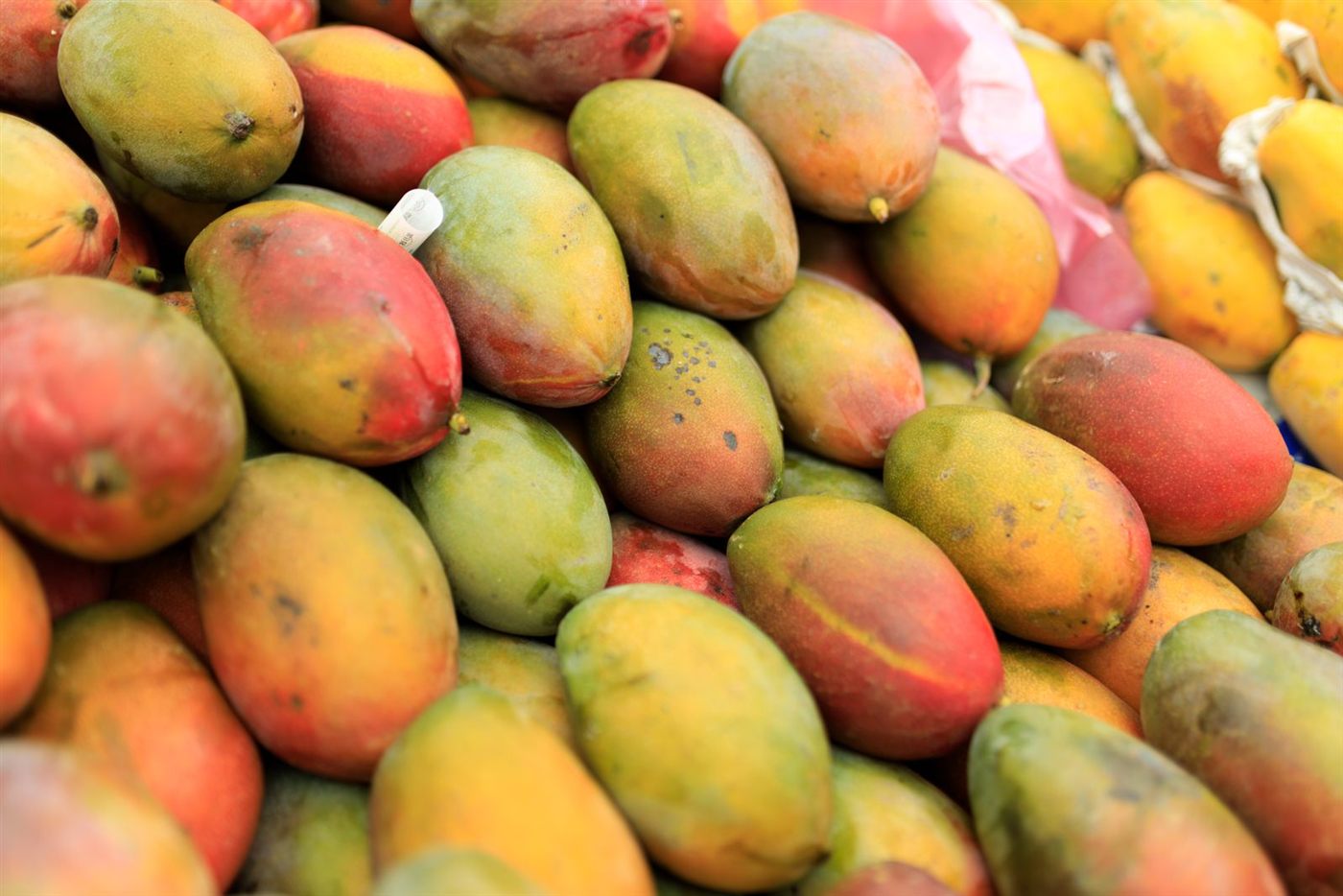
Myrcene is found in mangoes, hops and thyme as well as cannabis.
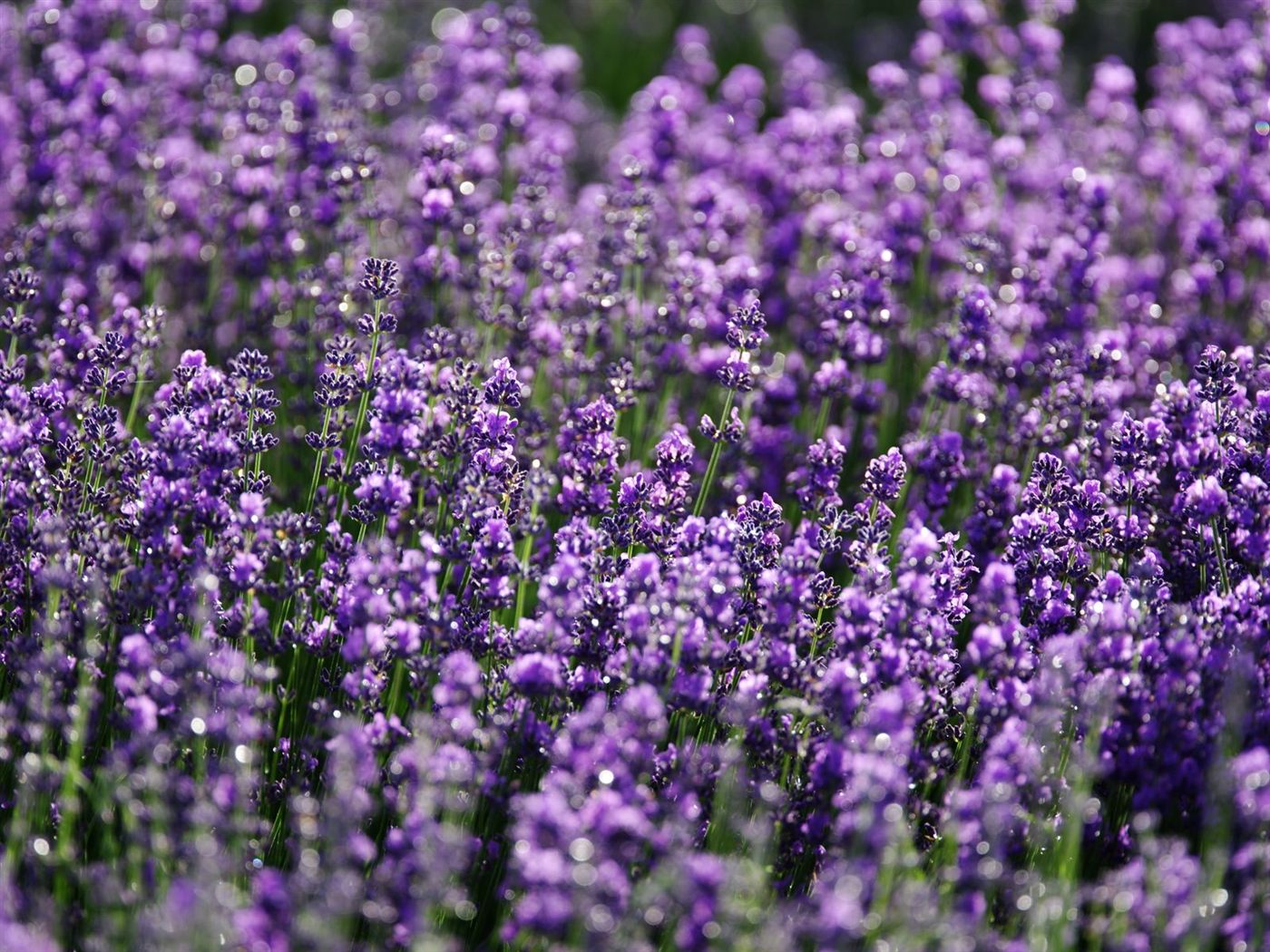
Linalool gives lavender its floral scent.
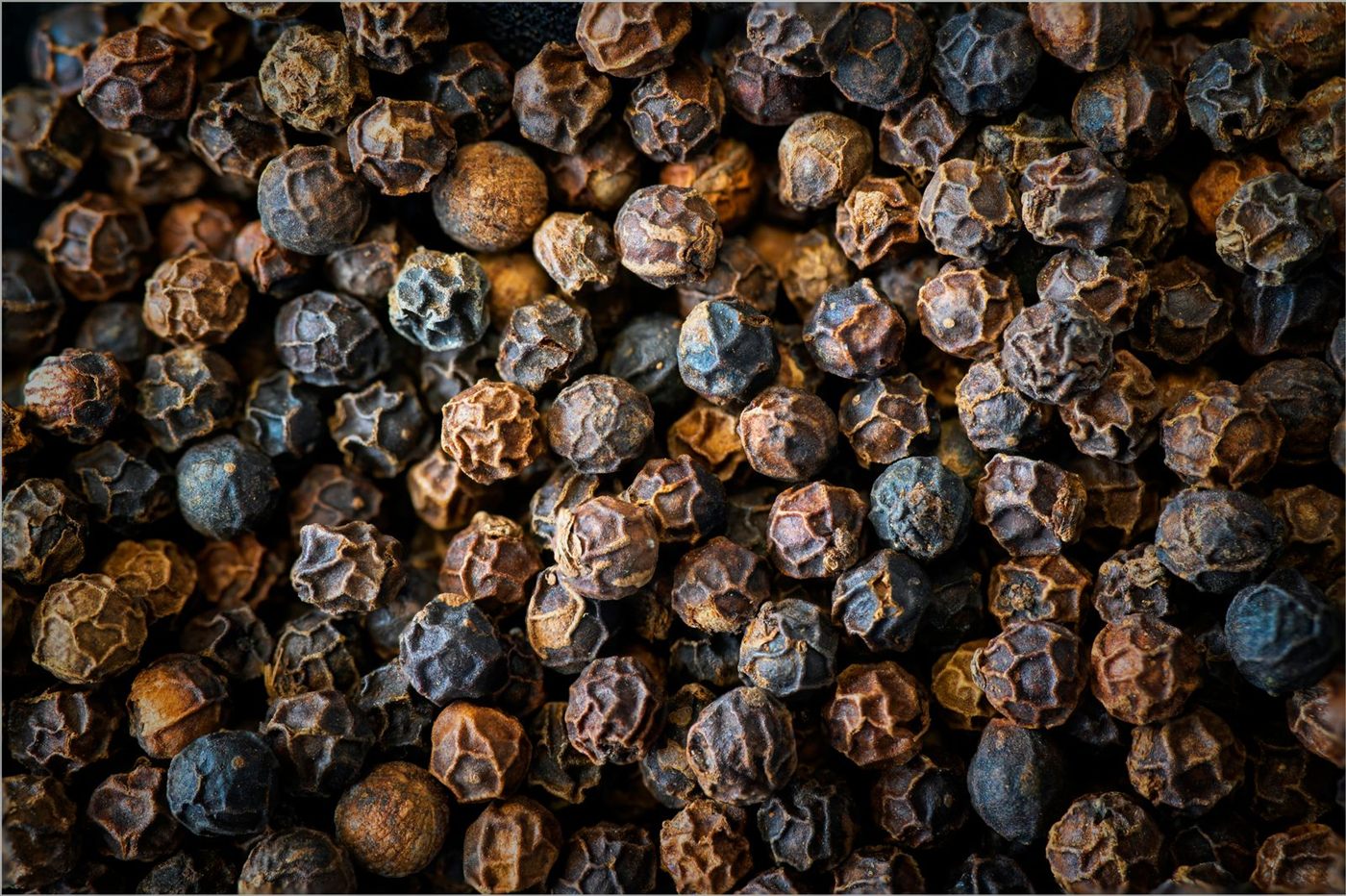
Beta-caryophyllene is behind the peppery note in black pepper and cloves.
What Does Indica Do? And Does It Make You Sleepy?
The usual description is a physical, slowing effect: shoulders and neck loosen, the head feels quieter and appetite goes up. Sleepiness is common, especially at higher doses or late in the day. It is not universal, though. Dose, tolerance, the specific chemistry of the product and your own biology all change the result. Some people find a low dose of indica calm and clear. Others find that cannabis of any type keeps them awake.
So, is indica an upper or a downer? For most people it leans toward a downer, but treat that as a tendency and not a rule. Here is how the experience commonly unfolds:
Onset
Smoked or vaped, the effects start within minutes. Edibles take much longer, often 30 minutes to two hours. Our onset and duration guide explains why.
The body
Muscles loosen and limbs can feel heavy. People often describe it as a weighted blanket.
The mind
Thoughts tend to slow down, which makes a film or some music easier to settle into. At higher doses some people feel foggy or anxious instead.
Appetite
The munchies are common with THC-rich cannabis of any type, so have snacks nearby.
Winding down
As it fades, many people feel sleepy. Some feel mildly foggy the next morning, especially after a large dose.

Evening wind-down. A relaxed, low-key setting is where most people use indica.

Sleep. Many people use indica at night, though results vary from person to person.
Best Indica Strains: Five Classics That Have Held Up
"Best" depends on what you want, so this is not a ranking. These five come up again and again in dispensaries and breeders' catalogs, which makes them good reference points while you build your own list. THC figures are the ranges you typically see on lab reports. Individual batches vary.
| Strain | Typical THC | Lineage (as commonly reported) | Known for |
|---|---|---|---|
| Granddaddy Purple | 17–23% | Purple Urkle × Big Bud | Deep purple buds, grape and berry aroma |
| Northern Lights | 16–22% | Afghani × Thai | Resinous buds, sweet and earthy, award winner |
| Bubba Kush | 15–22% | OG Kush-related, origin debated | Dark, dense buds with a coffee-earthy smell |
| Hindu Kush | 15–20% | Hindu Kush landrace selection | Old-school, mellow, earthy and piney |
| Master Kush | 15–20% | Hindu Kush × Skunk #1 | Sturdy classic, earthy and sweet |
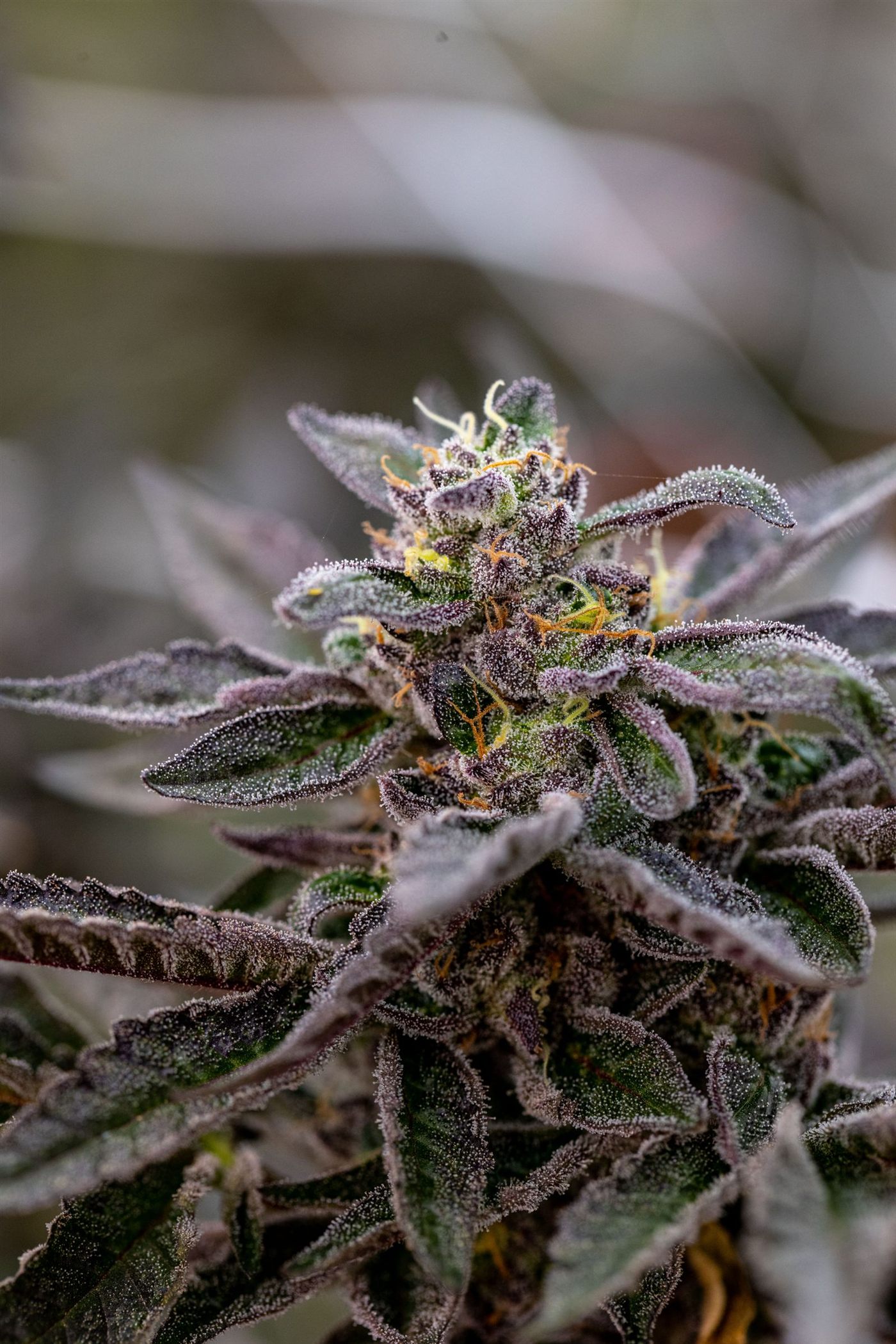
Granddaddy Purple is known for its purple color, which comes from anthocyanin pigments.
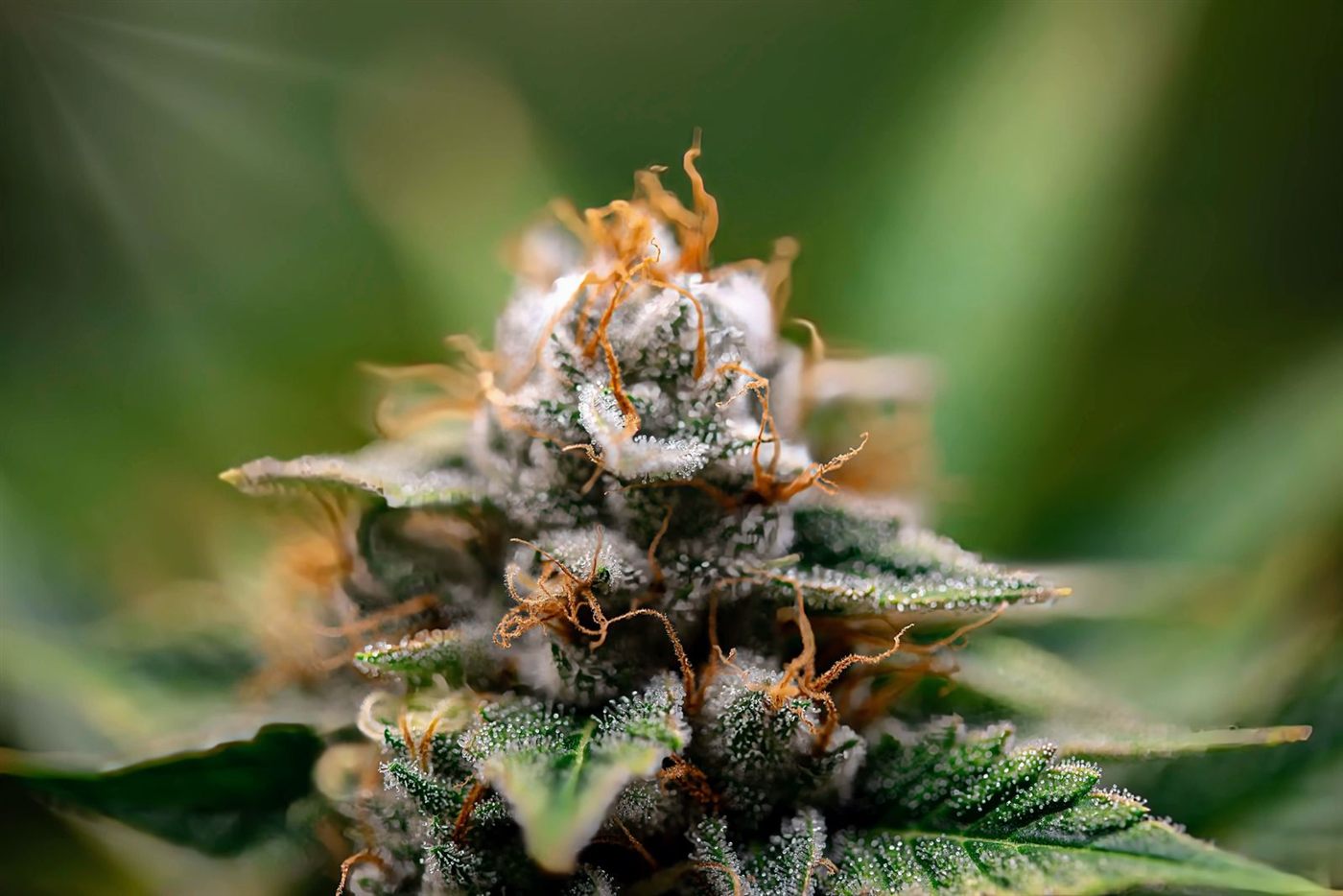
Northern Lights has won multiple awards and is easy to find in most legal markets.
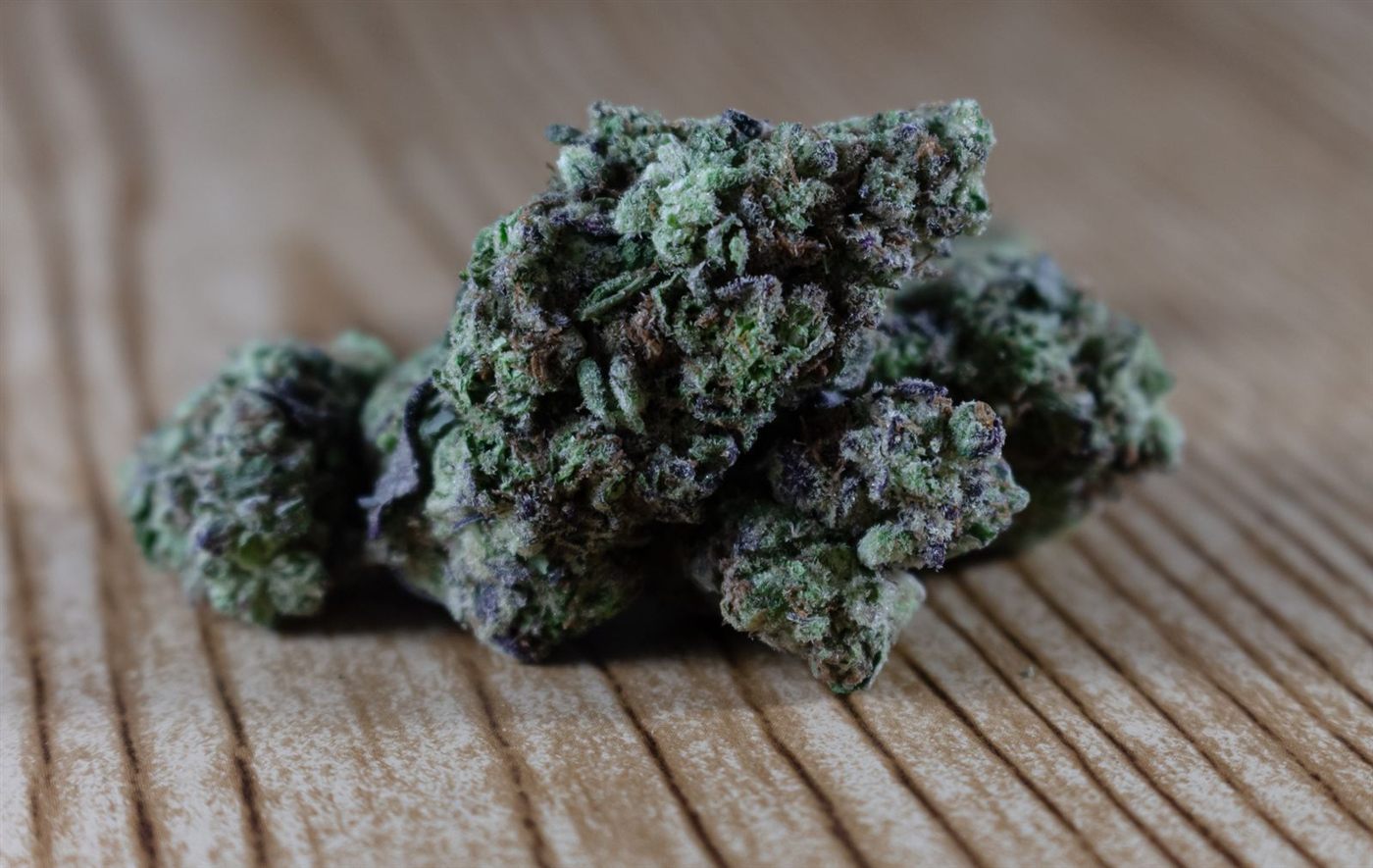
Bubba Kush buds are typically chunky and dark, with a coffee-like earthiness.
Photos on this page are representative images of cannabis flower, not verified photographs of the strains named.
Best Indica Strains for Sleep (and What to Look For)
People searching for indica strains for sleep usually want one of two things: to fall asleep faster, or to stay asleep. A few things matter more than the strain name.
Strains people commonly pick for evenings include Granddaddy Purple, Northern Lights, Bubba Kush, Blackberry Kush and Purple Punch. Treat that as a starting list, not a prescription.
Strongest Indica Strains (and Why THC Isn't Everything)
"Strongest" usually means highest THC on the lab report. Indica-leaning flower in legal markets commonly tests between about 15% and 25%, and some batches of the heavy hitters go past 28% or 30%. Potency varies a lot from grower to grower, and studies of retail products have found that labeled THC can run higher than what a lab actually measures. Our guide to reading a COA shows how to check.
Also sold as GMO, from a Chemdawg and Girl Scout Cookies cross. Known for a garlic-and-fuel smell, and usually listed as indica-dominant.
Sensi Star crossed with Sour Diesel. Pungent and skunky, and reputed to slow a busy mind fast.
An Afghani and OG Kush cross with a reputation as one of the heavier options for people with high tolerance.
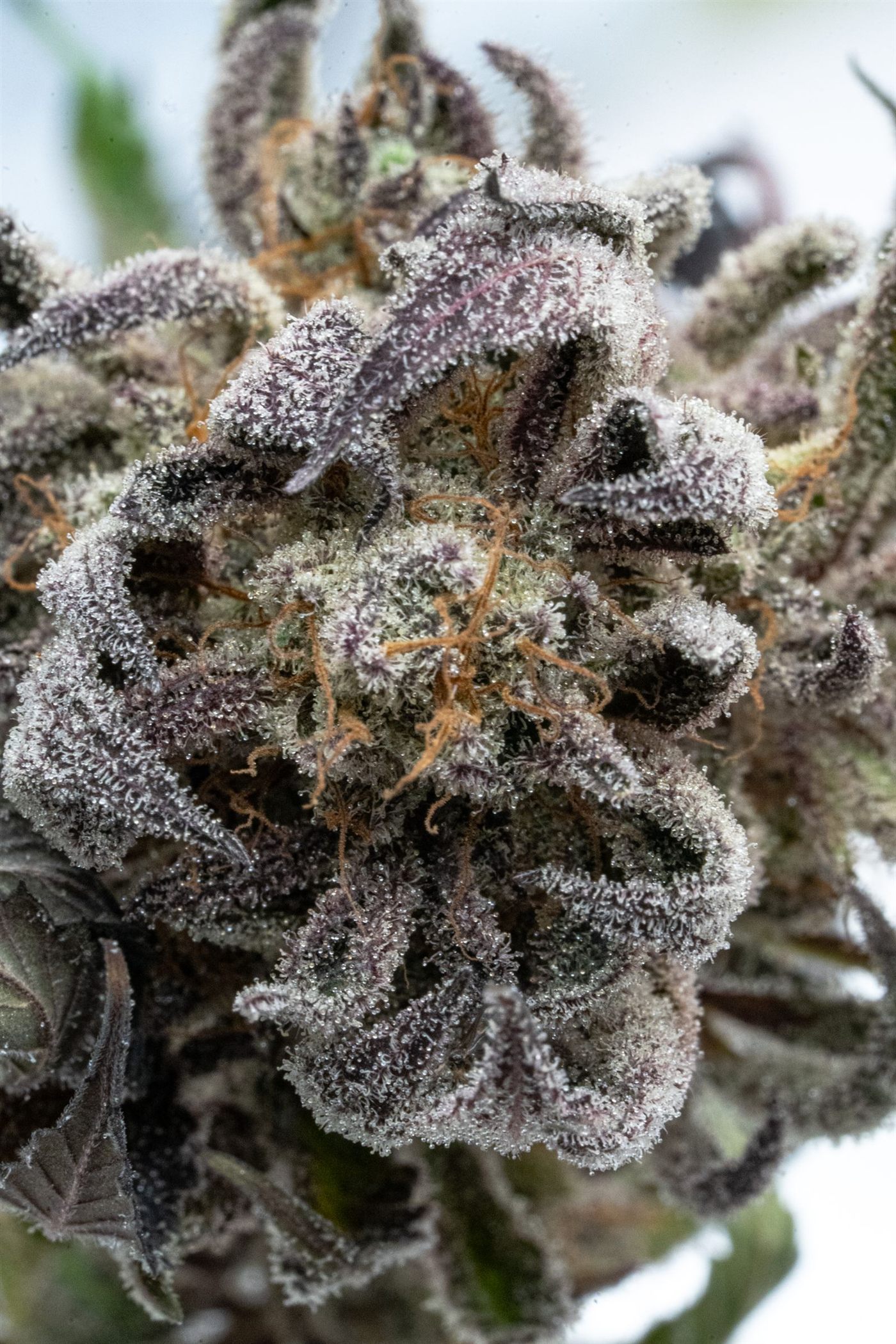
A heavily frosted bud. Visible trichomes are common on high-THC flower, but looks alone can't tell you potency.
High THC is not the goal
A stronger product is not a better one. High-THC flower raises the odds of side effects such as anxiety, a racing heart or a rough night, and the people who enjoy it most are usually the ones with a high tolerance.
Purple and Pink Indicas: What the Color Means
Purple indica strains get a lot of attention. The color comes from anthocyanins, the same pigments that color blueberries and red cabbage, and cooler temperatures late in flowering bring it out in plants that carry the genes for it. Color says nothing reliable about potency or effects. It is mostly about looks and genetics.
Purple indicas
Granddaddy Purple, Grape Ape and Purple Punch are the names you will see most often on menus.
Pink Kush
Usually described as an indica-leaning OG Kush phenotype. The "pink" refers to pale pistils and a sweet, vanilla-pine aroma.
Berry and dessert flavors
Blueberry and Blueberry Muffins are examples. Breeders have leaned into fruit and bakery flavors, so check the terpene panel to see what is behind the smell.
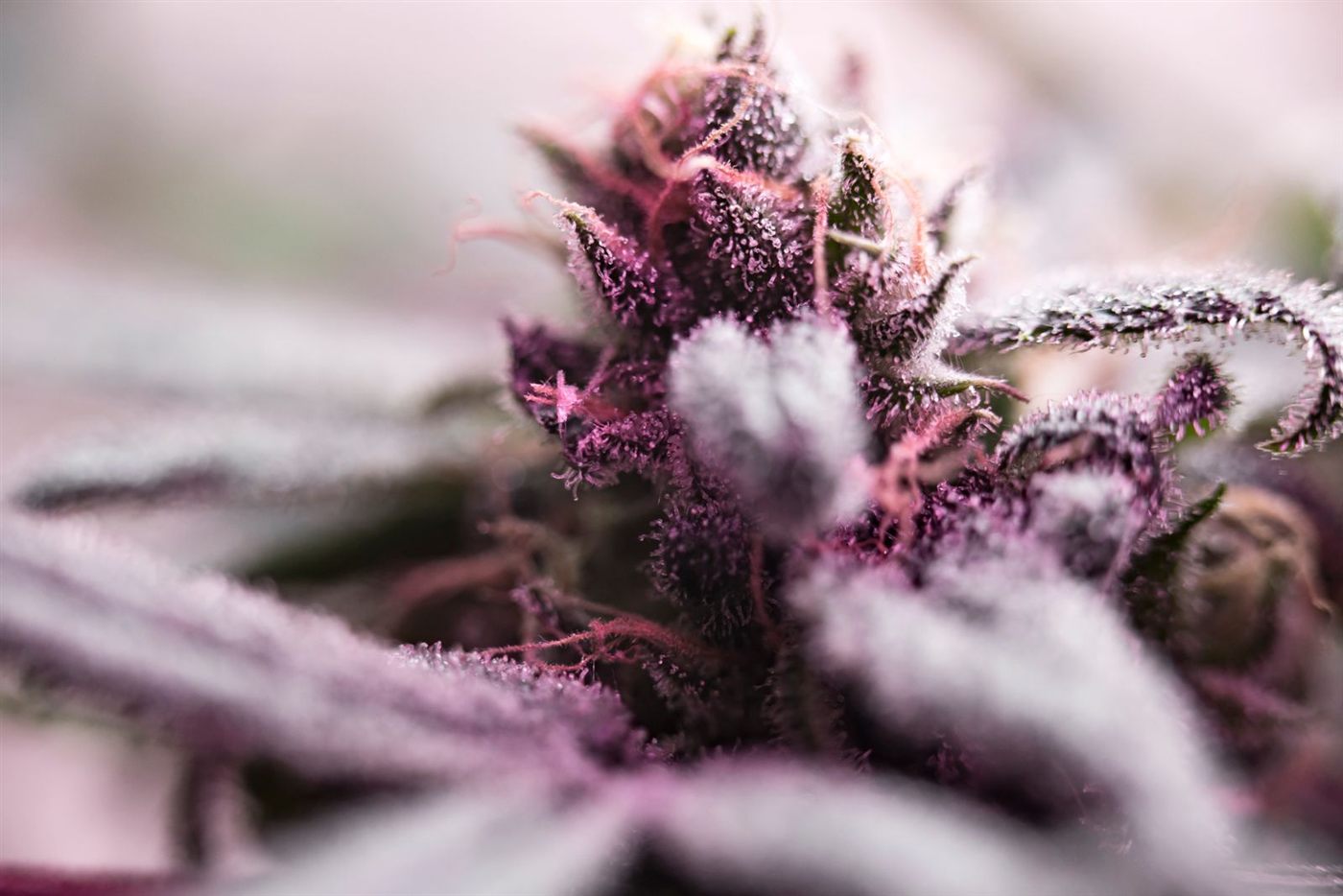
Pink and purple tones show up when a plant's genetics and late-flower temperatures line up.
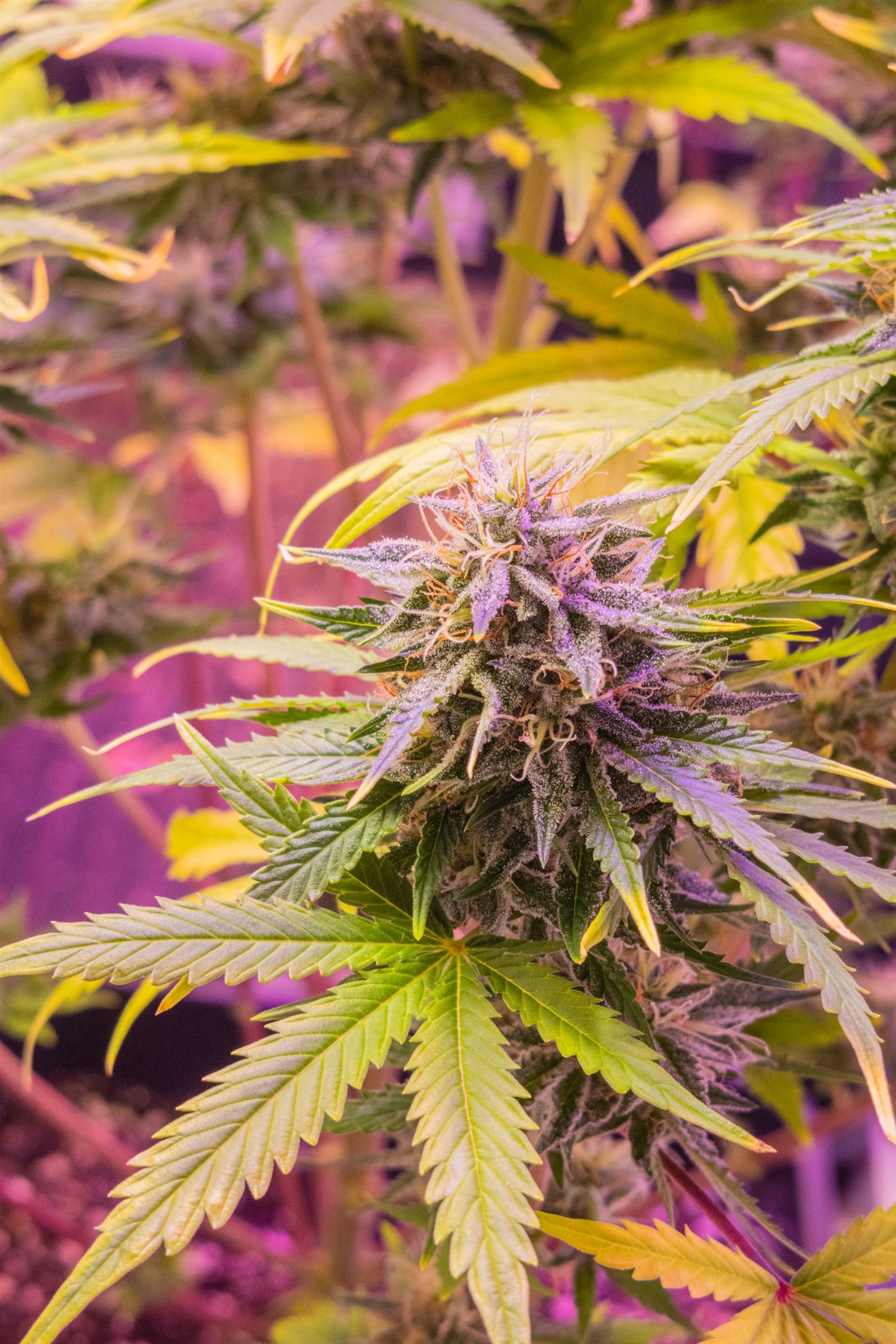
Purple buds are about pigment, not strength.
Pure Indica Strains and Landraces
Strictly speaking, a pure indica is a landrace: a variety that adapted to one region over many generations without deliberate crossing. Afghani, Mazar-i-Sharif and Hindu Kush are the usual examples. In practice, almost everything labeled pure indica in a US dispensary is a modern selection or an indica-dominant hybrid, because the seed stock has been crossed for decades. Treat "pure" as marketing unless the breeder can show the lineage.
Short, resinous and earthy, with a hash-like smell. It is a parent of many modern indicas, including Northern Lights.
Named for the city in northern Afghanistan. Prized for resin, and used by breeders to add resin production and dense structure to crosses.
A mountain variety known for a steady, mellow effect and an earthy, piney smell. Most versions sold today are selections from the original plants.
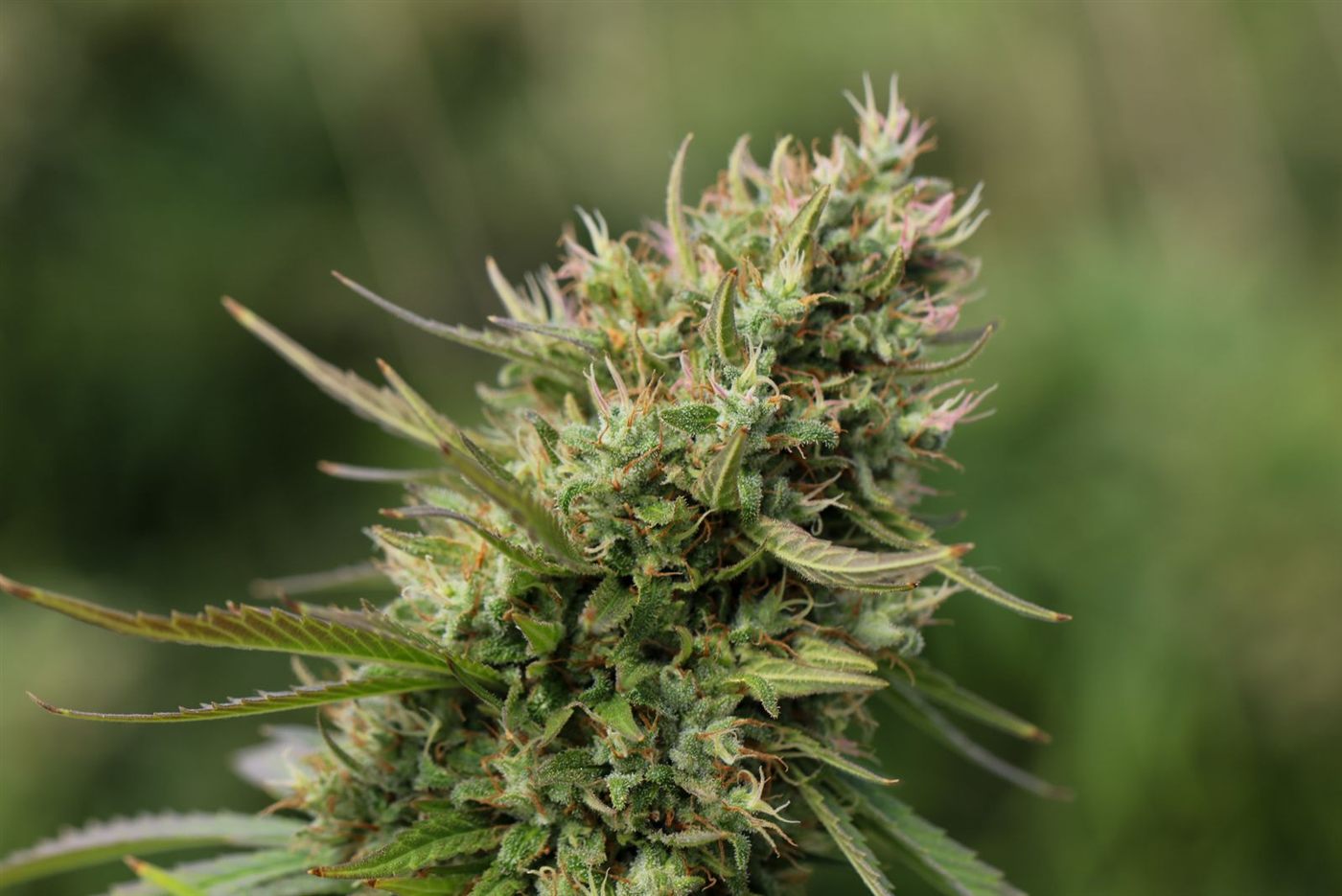
Outdoor-grown cannabis, the setting landraces evolved in.
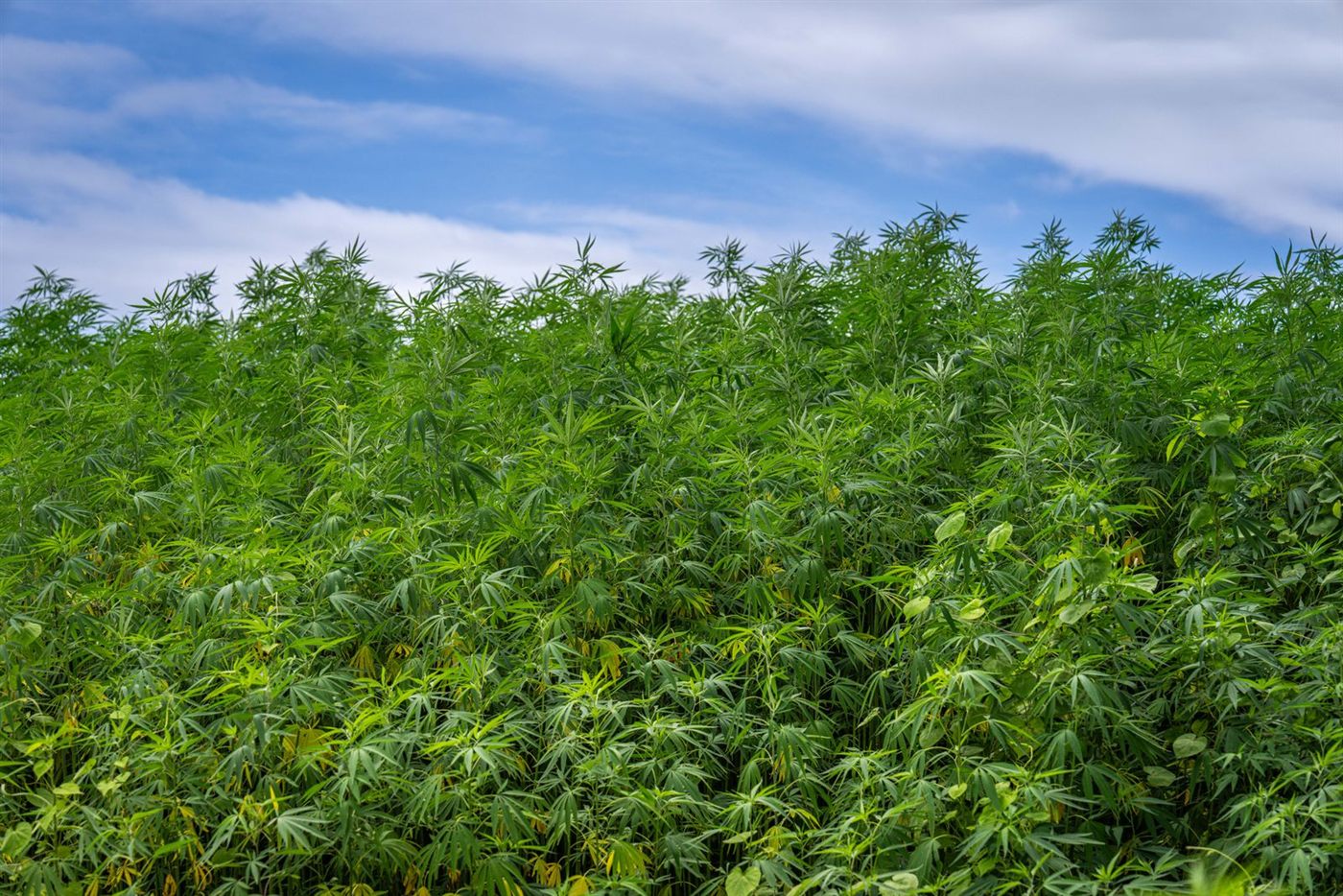
A field crop, the way hash-producing regions have long grown it.
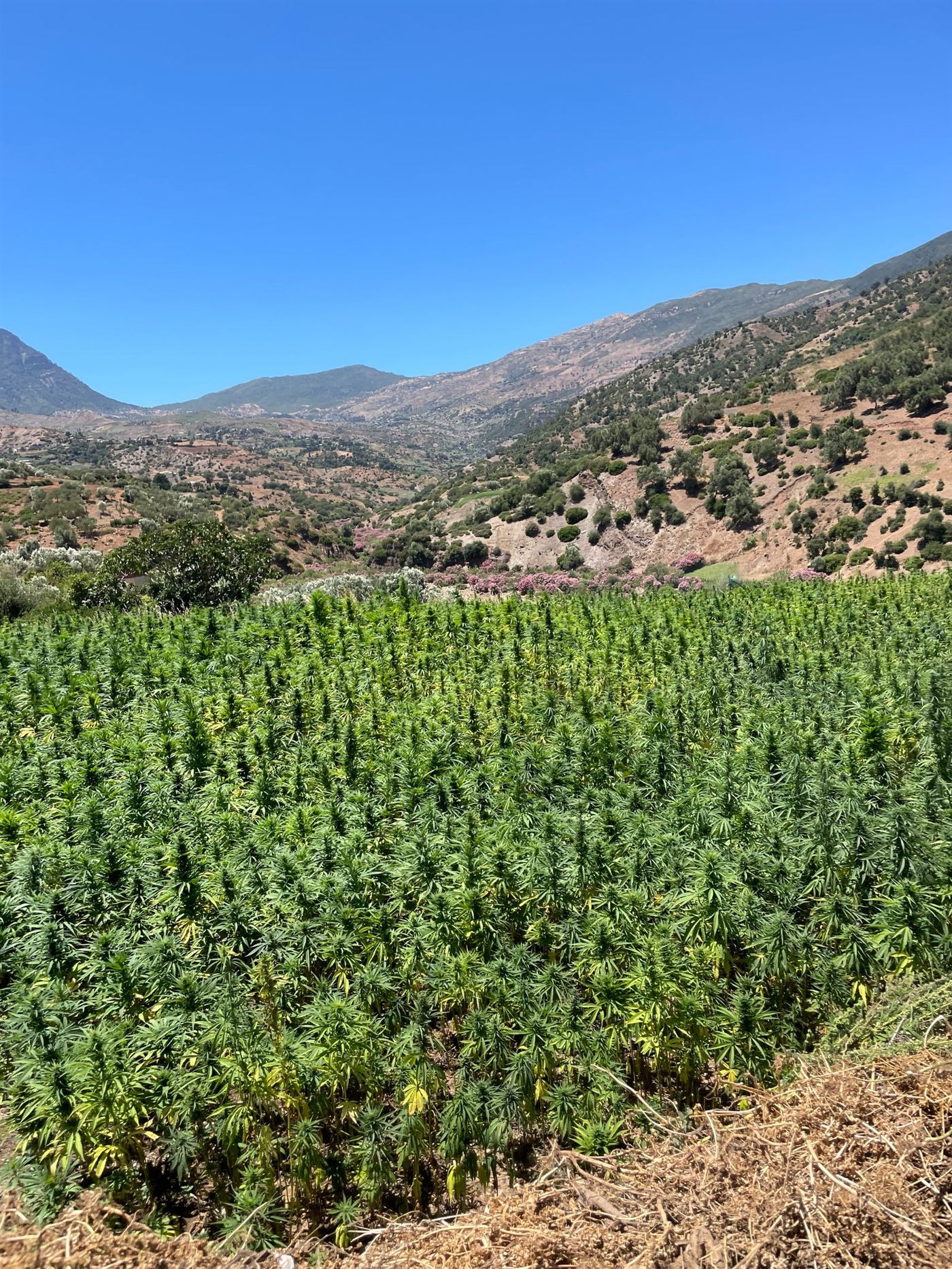
Mountain terrain, where the original broad-leaf plants came from.
Top 10 Indica Strains Right Now
These show up often on dispensary menus. Most are indica-dominant hybrids rather than pure indicas, so expect some variation from one grower to the next. For more picks, see our page on popular strains.
Sweet vanilla-pine aroma. Usually described as an OG Kush phenotype.
Wedding Cake crossed with Gelato #33. Creamy and sweet, popular for evenings.
Dessert-style berry and bakery aroma, often with purple tones.
Death Star crossed with Bubba Kush. Strong, with a sedating reputation.
A purple classic with a grape-soda smell and a calming reputation.
Blackberry crossed with Afghani. Dark berry aroma and dense buds.
Larry OG crossed with Granddaddy Purple. Sweet, grape-candy smell.
Vanilla and tangy notes. Usually called an indica-leaning hybrid.
Girl Scout Cookies crossed with Face Off OG. Sweet and earthy, indica-dominant.
Fruity and candy-like. Often sold as an indica-leaning hybrid.
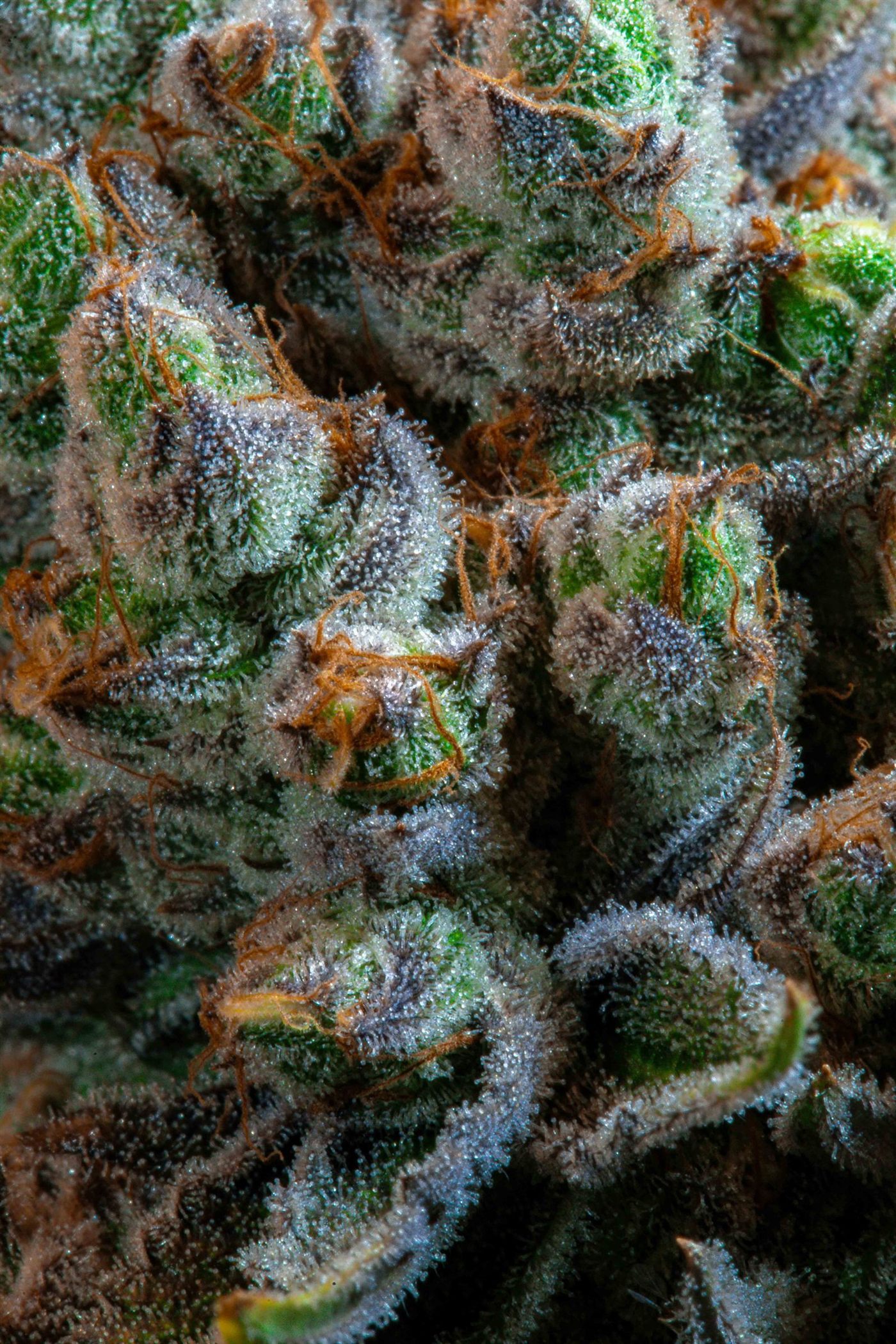
Pink Kush
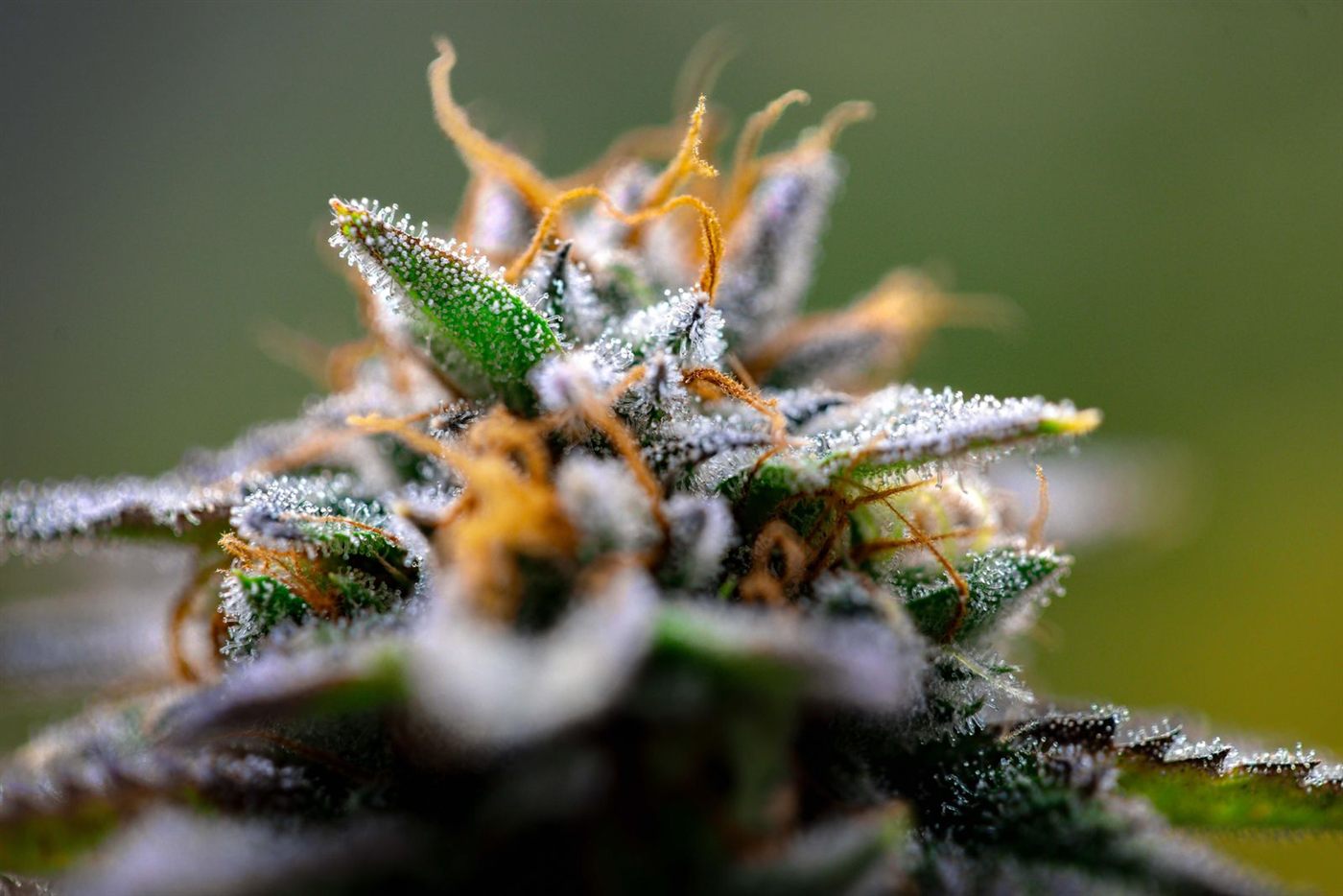
Ice Cream Cake
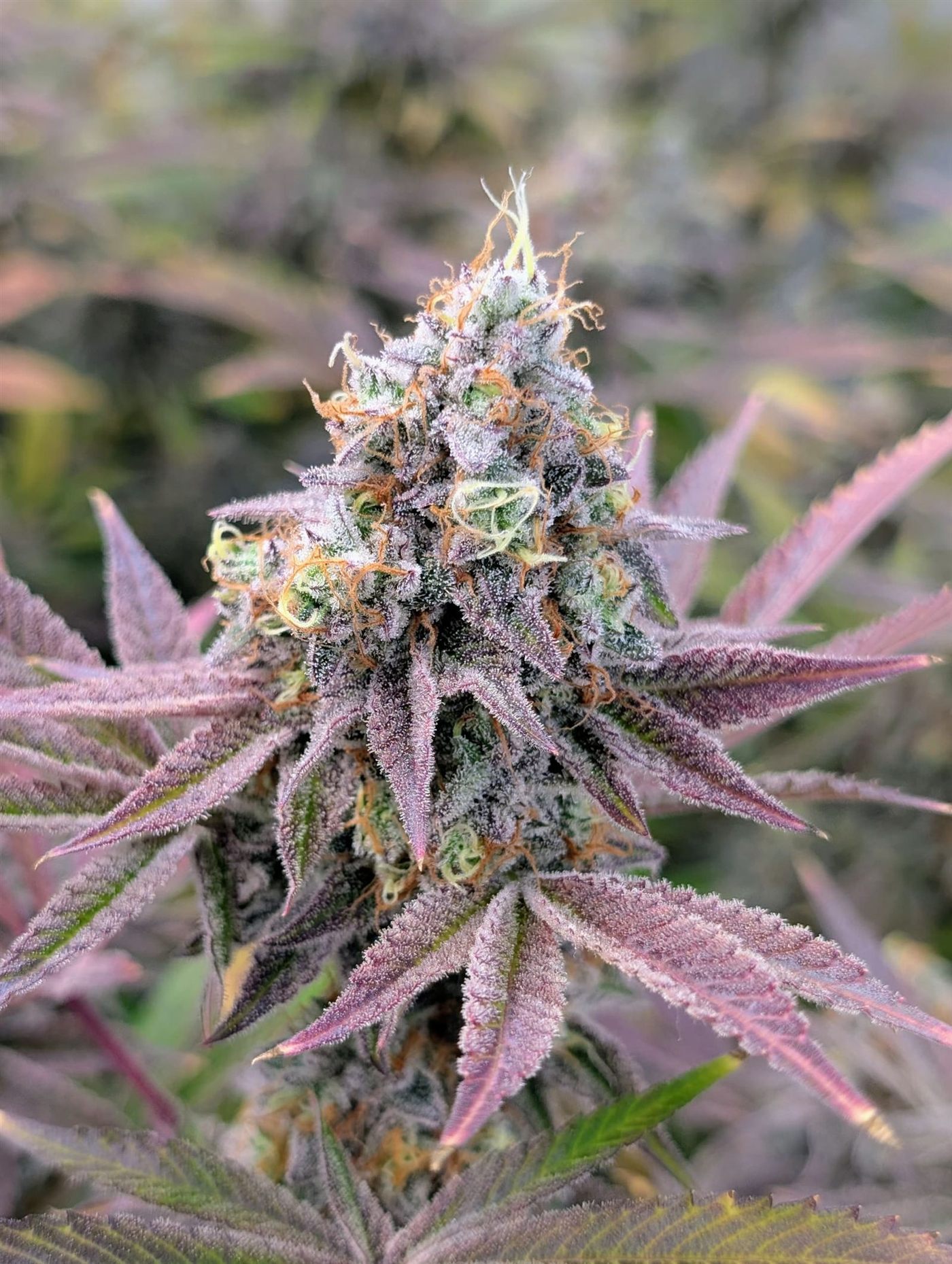
Blueberry Muffins
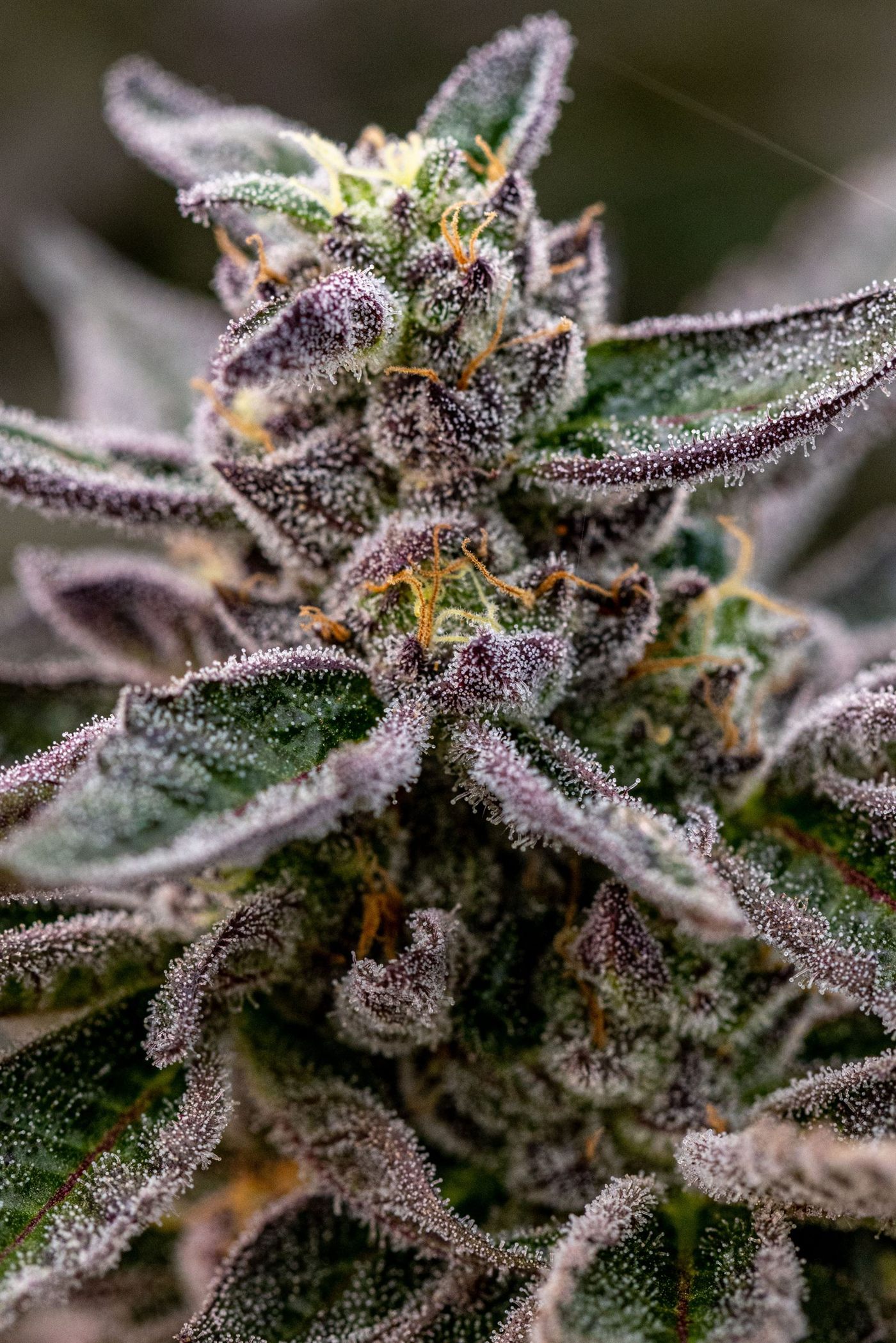
Death Bubba
How to Choose an Indica Strain at the Dispensary
A menu full of strain names is not much help if you don't know what to compare. These three habits do more than any strain list.
Use your nose, then confirm on the lab report
Smell gives you a rough clue about the terpene mix. The lab report confirms it.
Check the date
Look for a harvest or packaged date. Flower loses aroma and potency as it ages, so aim for something harvested or packaged in the last few months and ask what the date is if the label doesn't say.
Don't chase the biggest THC number
A 20% flower with plenty of terpenes often feels more rounded than a 30% flower with few. Compare the total terpene percentage, not just THC. Our COA guide shows you where to find it.
A good budtender can tell you the harvest date and pull up the lab results.
Questions worth asking
Budtenders work with real customer feedback every day. Tell them how you want to feel, what you've tried and how much you usually use, then let them point you to a couple of options.
Using Indica Safely
Indica flower tends to feel physically heavy, so a bit of planning goes a long way. For adults 21 and older in places where cannabis is legal:
Start low and wait
For edibles, 2.5 to 5 mg of THC is a common starting range. For inhaled flower, take one or two small puffs and give it a few minutes. Then decide whether you want more.
Don't drive
Don't drive or operate machinery. Impairment can last for hours, and longer with edibles.
Dry mouth and next-day fog
Water helps with dry mouth. If you feel foggy the next morning, give yourself time. Caffeine can make you feel more awake, but it doesn't clear THC from your system.
Check with a doctor first
If you are pregnant or breastfeeding, take medications that cause drowsiness, or have a heart or mental health condition, speak to a clinician before using cannabis.
What the Research Says About Indica and Health
People use indica strains for pain, sleep, stress and appetite. It helps to be clear about what the science does and doesn't show. A 2017 National Academies review found substantial evidence that cannabis or cannabinoids help with chronic pain in adults, that oral cannabinoids help with chemotherapy-related nausea and vomiting, and that oral cannabinoids improve patient-reported spasticity in multiple sclerosis. Evidence for other uses, including anxiety, PTSD and sleep, was limited. None of that research compares indica with sativa.
Chronic pain
The best-supported use. Results vary a lot by person and product.
Sleep
Mixed evidence. Some people fall asleep faster, but long-term data is thin and tolerance can develop.
MS spasticity
Short-term studies of oral cannabinoids found improvement in patient-reported symptoms.
Anxiety and PTSD
Evidence is limited, and for some people THC makes anxiety worse.

A clinician can help you weigh benefits and risks for your situation.
If it's for a health reason
Some states run medical cannabis programs with their own rules for patients. If you are considering cannabis for a health problem, ask a clinician who knows your history before you start.
Beyond THC: What CBN and CBG Do (and Don't) Tell You
Two minor cannabinoids come up a lot in connection with indica. The research on both is early, so here is where things stand. Our cannabinoids explainer goes deeper.
Where it comes from
CBN forms as THC breaks down with age, oxygen and light. That is why older flower can contain more of it.
The sleep claims
CBN is widely marketed as a sleep aid, but the evidence is thin. It is based on small studies, animal work and a lot of anecdote.
The "mother" cannabinoid
CBG's acid form, CBGA, is the precursor that the plant converts into THCA and CBDA. Most mature flower contains very little CBG.
What we know
Interest centers on inflammation and gut health, but most of the evidence so far is from lab and animal studies. It is not intoxicating by itself.

Lab testing is where the numbers on a cannabis label come from.
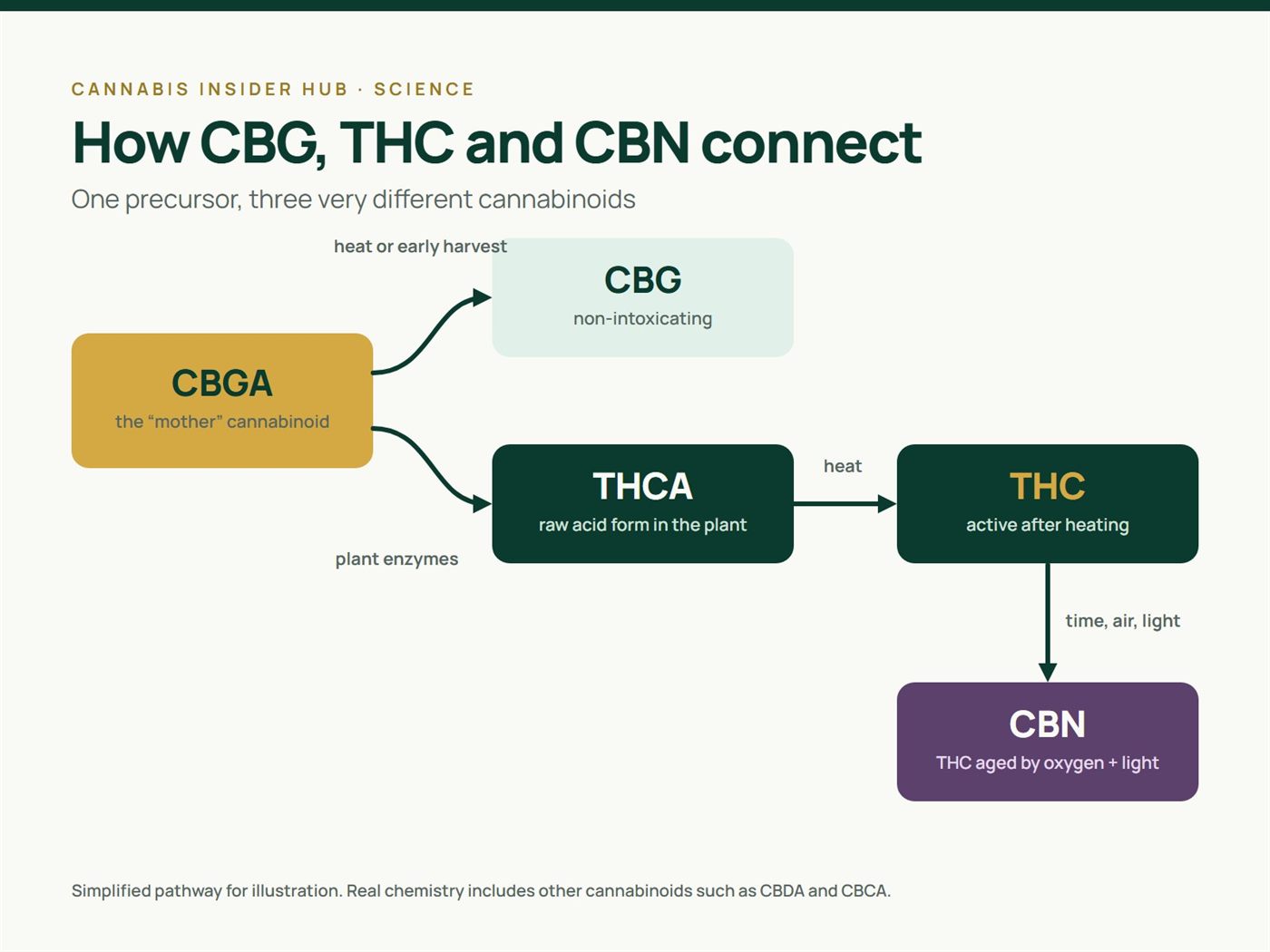
How they connect. A simplified view of how CBGA leads to CBG and THCA, and how THC ages into CBN.
Growing Indica Strains at Home
Where home growing is legal, indica-type plants are a common first choice. They stay compact, which suits tents and small spaces, and they flower in roughly 7 to 9 weeks. Check your state's rules first, since limits on plant counts and locations vary.
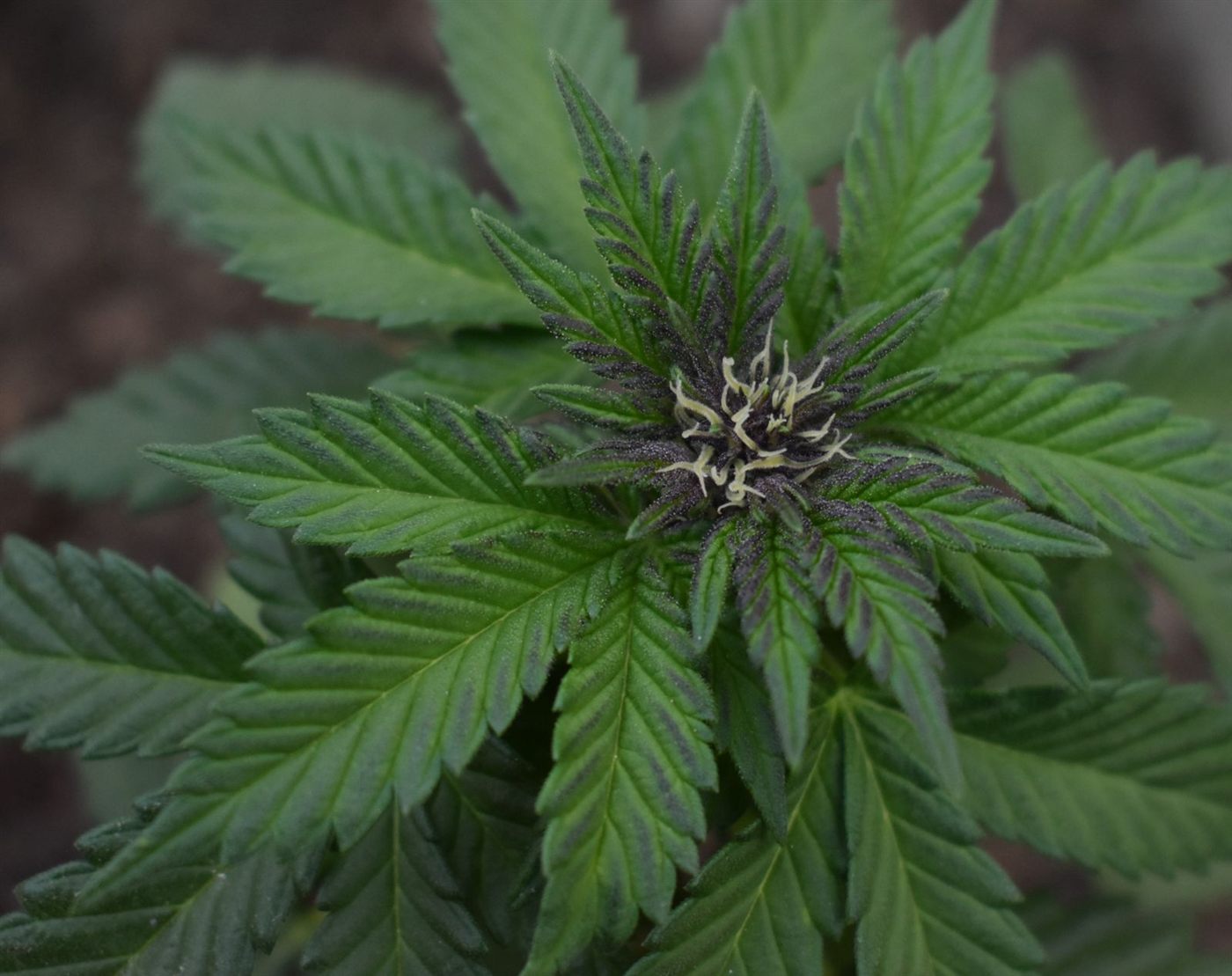
Vegetative stage. The plant builds leaves and branches before it flowers.
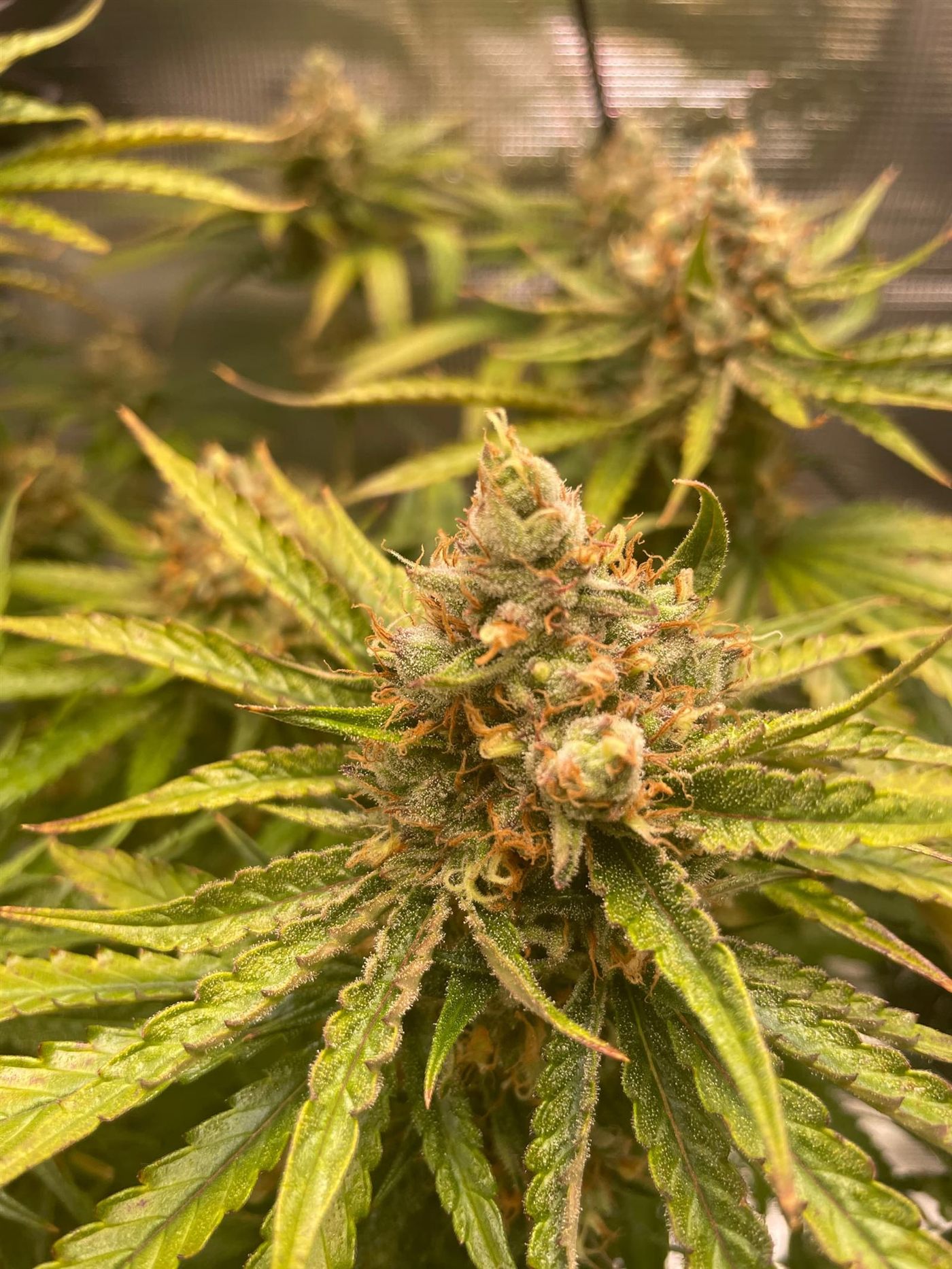
Flowering stage. Buds fill out over several weeks, and dense indica buds need good airflow.
Flowering: humidity and smell
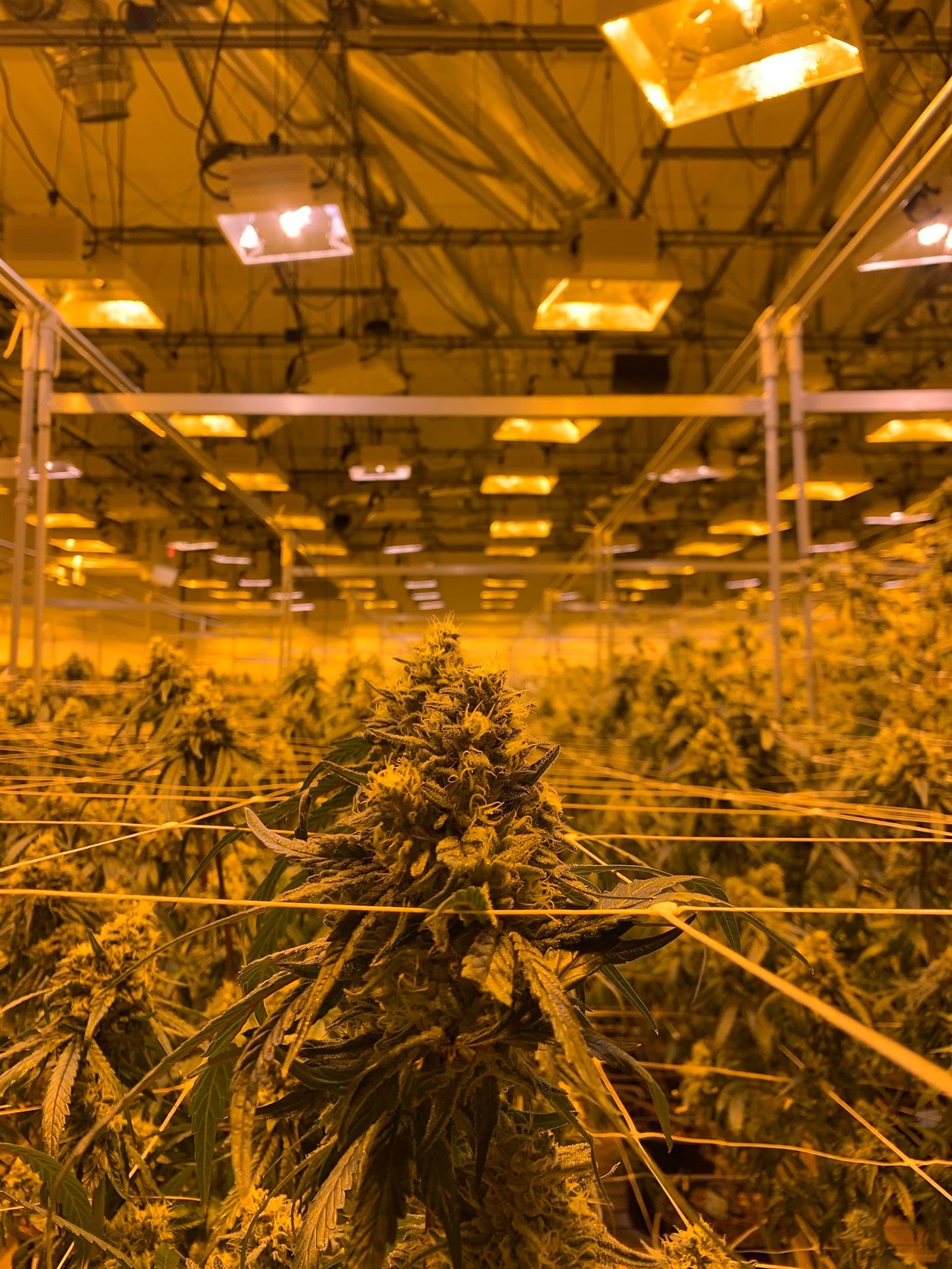
Most indica-type plants finish flowering in 56 to 63 days. The big risk in the last weeks is mold. Dense buds hold moisture, so many growers aim for roughly 40 to 50% humidity late in flower. They also run a carbon filter, because the smell gets strong by week five or six.
Soil or hydroponics?
Soil
- Forgiving: soil buffers pH swings and small feeding mistakes.
- Flavor: many growers feel soil gives richer taste, though that is subjective.
- A good fit for first-time growers.
Hydroponics
- Speed: nutrients reach the roots directly, so growth can be faster.
- Control: you manage every variable yourself.
- The catch: less room for error, and problems escalate quickly.
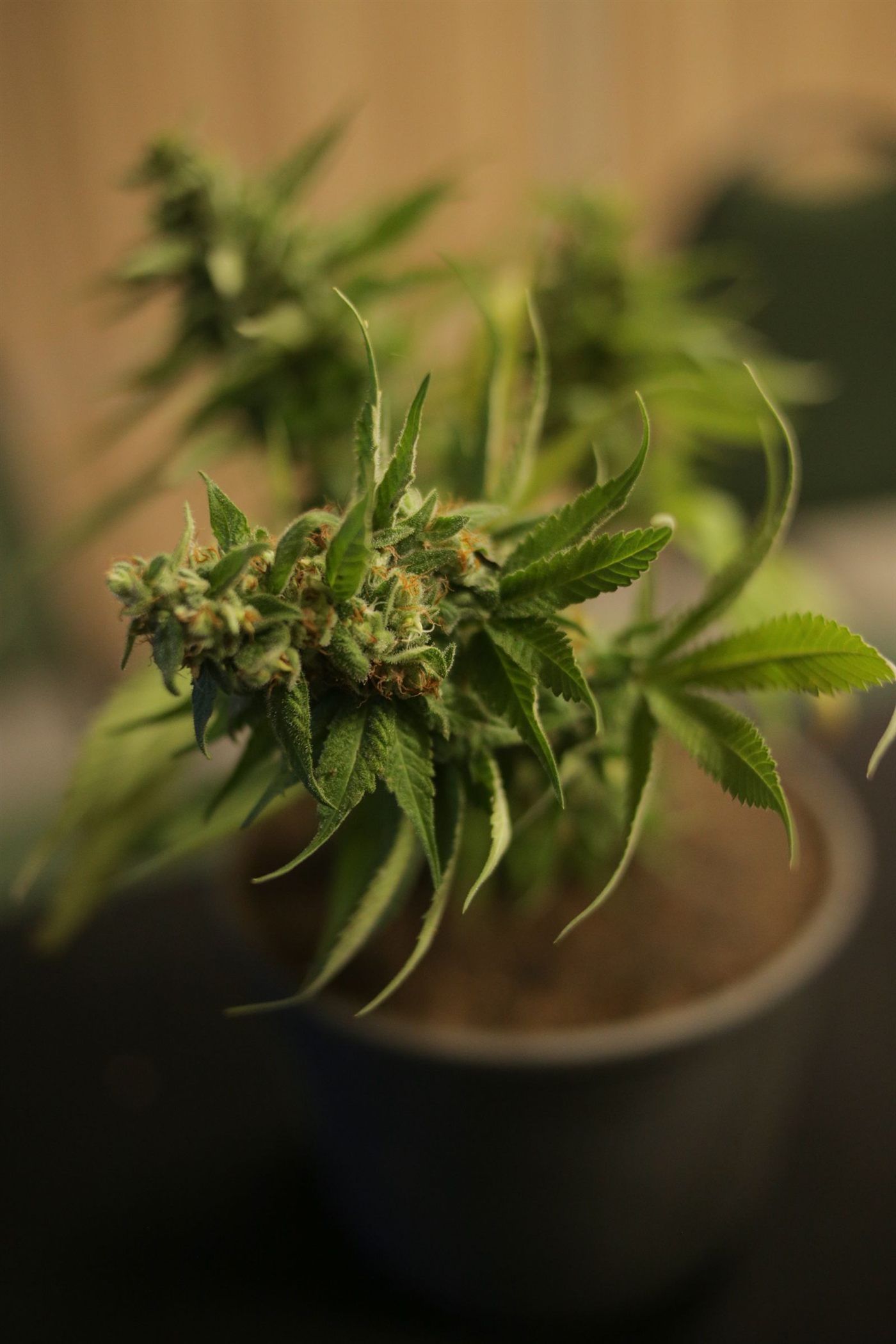
Soil. The simplest route for most home growers.
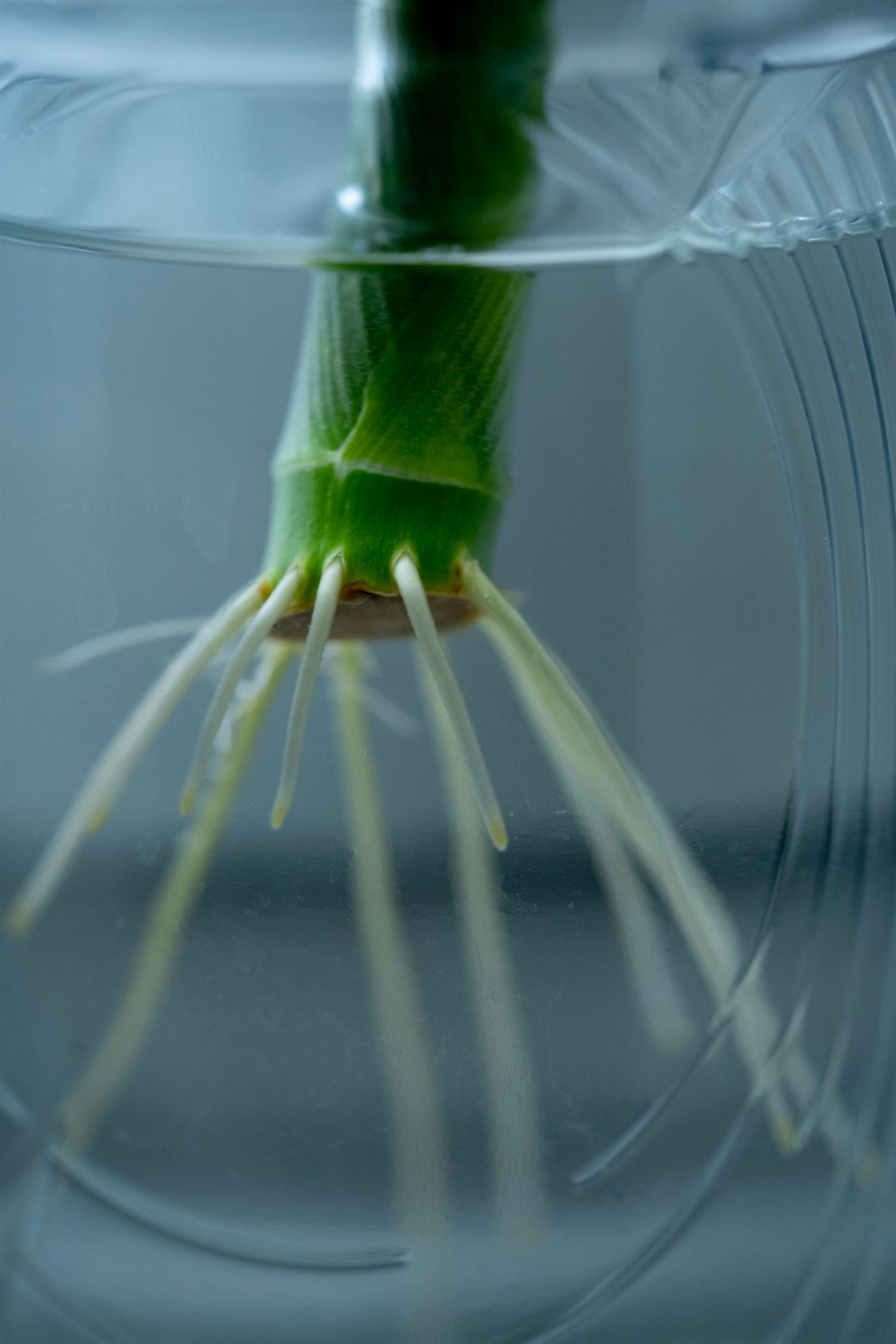
Hydroponics. Roots sit in or are fed by a nutrient solution.
Indica vs. Sativa vs. Hybrid
This table shows how the three types are usually described. Keep in mind that most plants on the market are hybrids, and that the effects column describes tendencies. Read more on our sativa strains and hybrid strains pages.
| Feature | Indica | Sativa | Hybrid |
|---|---|---|---|
| Plant height | Short and bushy (about 3–6 ft) | Tall and lanky (6–12+ ft outdoors) | Varies by genetics |
| Leaf shape | Wide, broad leaflets | Narrow, thin leaflets | A mix of both |
| Usual description | Relaxing, body-heavy | Uplifting, head-focused | Balanced, or leans either way |
| Common timing | Evening | Daytime | Any time |
| Common aromas | Earthy, musky, berry | Citrus, pine, tropical | Varies widely |
| How reliable is the label? | A rough guide only. Check the lab report and your own response. | ||
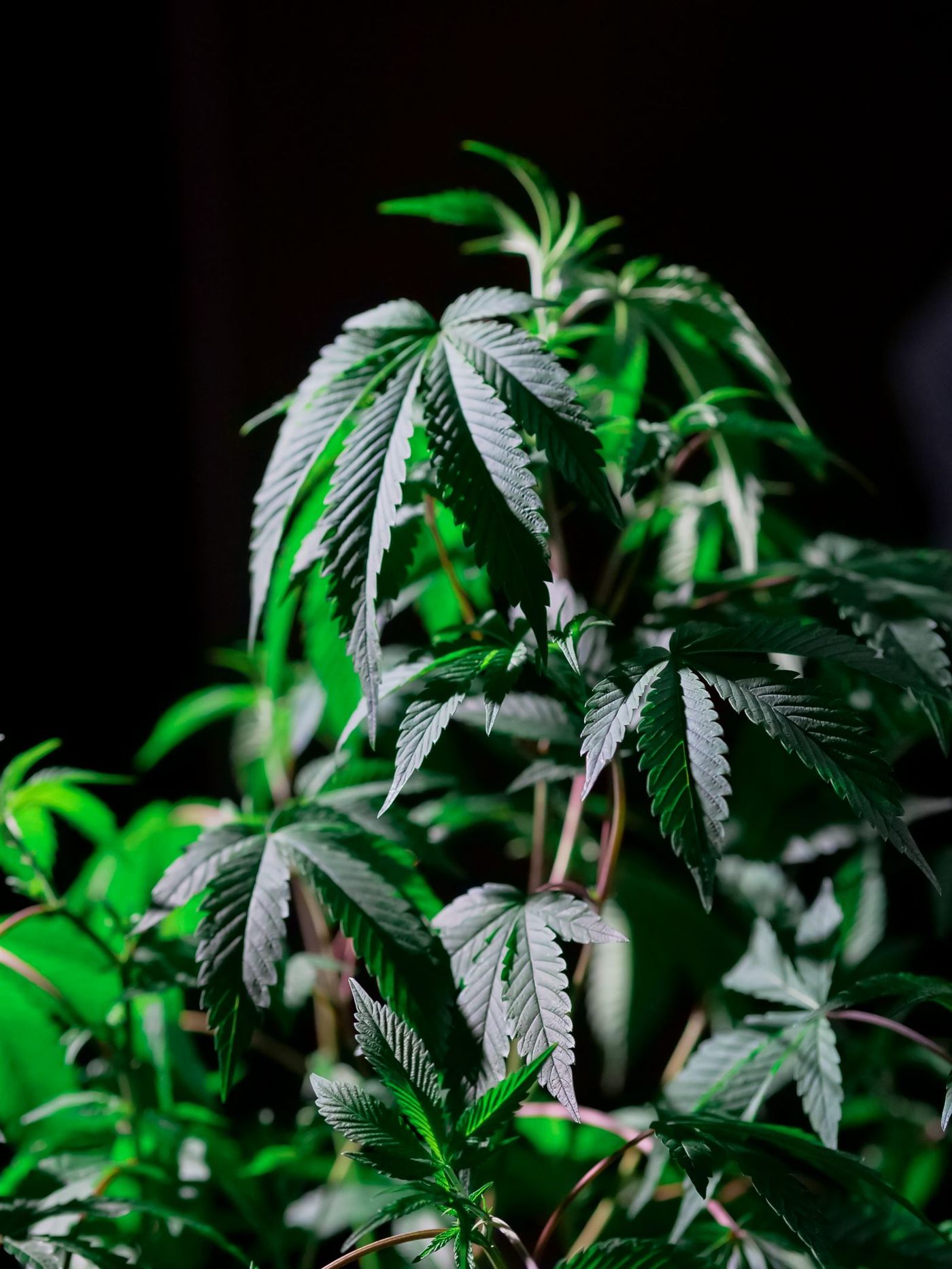
Indica-type. Compact, with broad leaves.
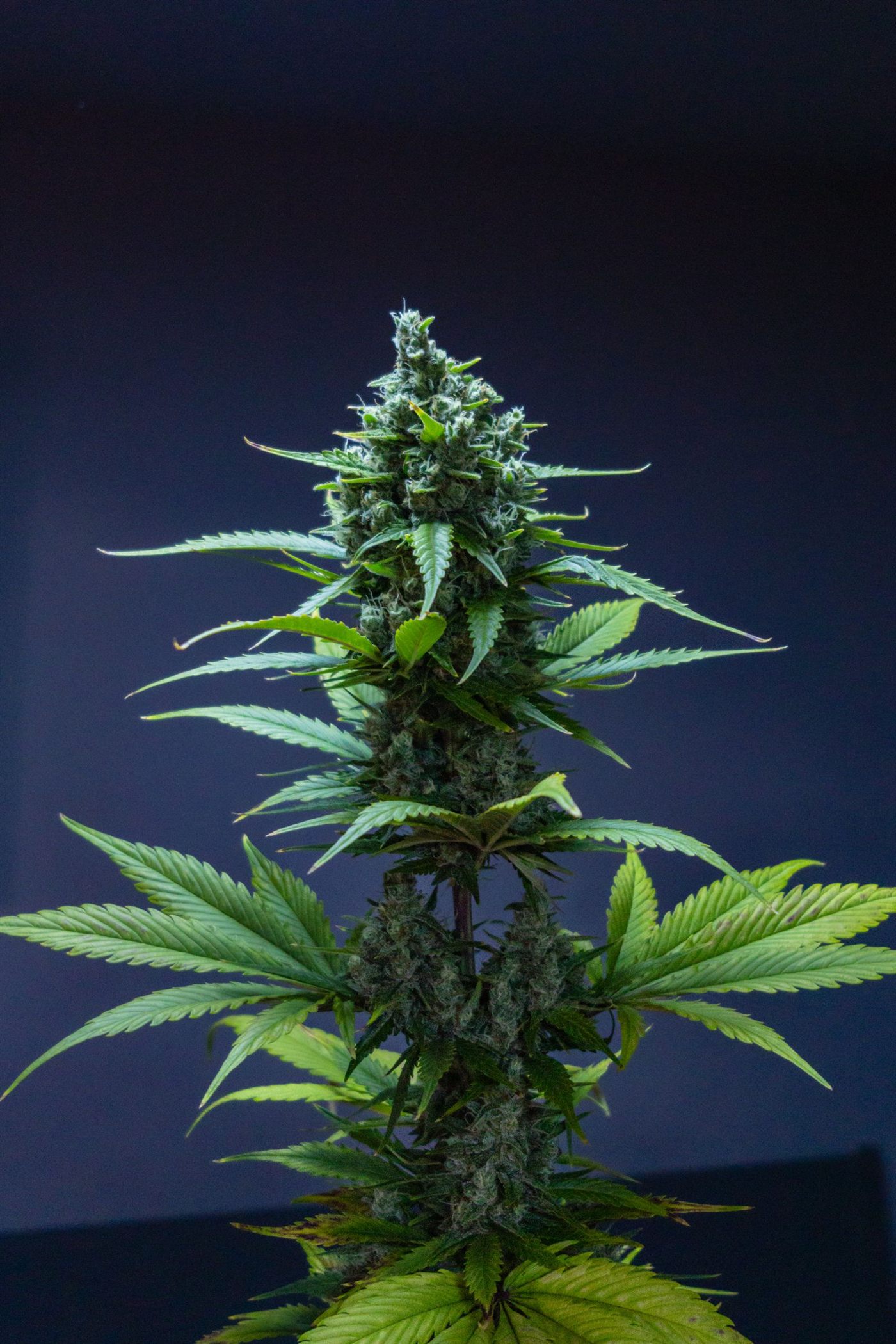
Sativa-type. Taller, with a slimmer shape and narrower leaves.
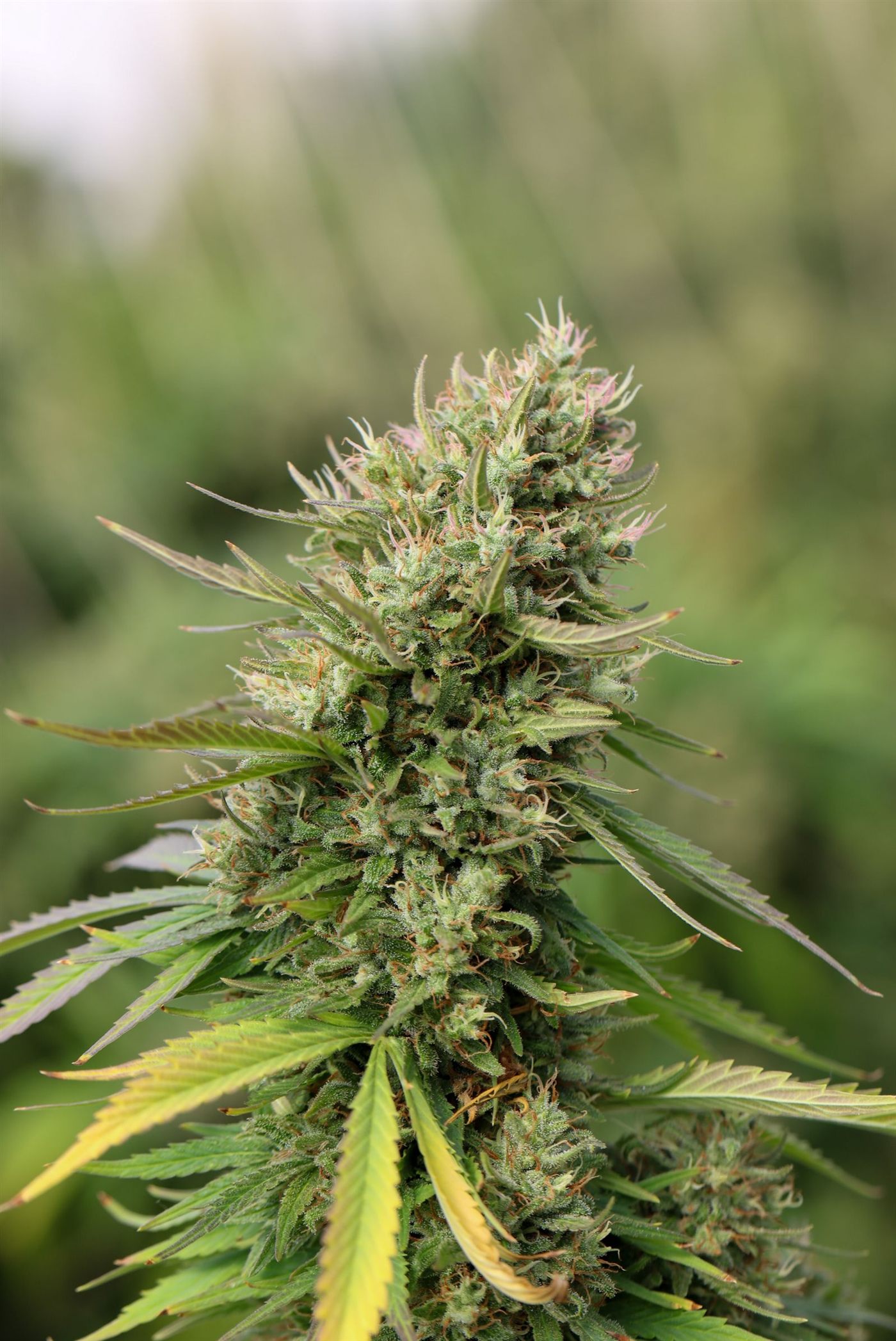
Hybrid. A mix of traits from both sides.
Three Ways People Use Indica in the Evening
Most people who like indica use it in a fairly simple way. These are common routines, not recommendations.
After a workout
Some people use a small amount to wind down after training. The idea that it speeds muscle recovery is popular, but the evidence is limited.
Low-dose evenings
A small dose, such as 2.5 to 5 mg of THC in an edible, is a common way to take the edge off without feeling heavy. It's also a gentle way to learn how you respond.
A bedtime routine
Time it so the effects peak as you're getting into bed, dim the lights and put the phone down. Cannabis doesn't replace good sleep habits.
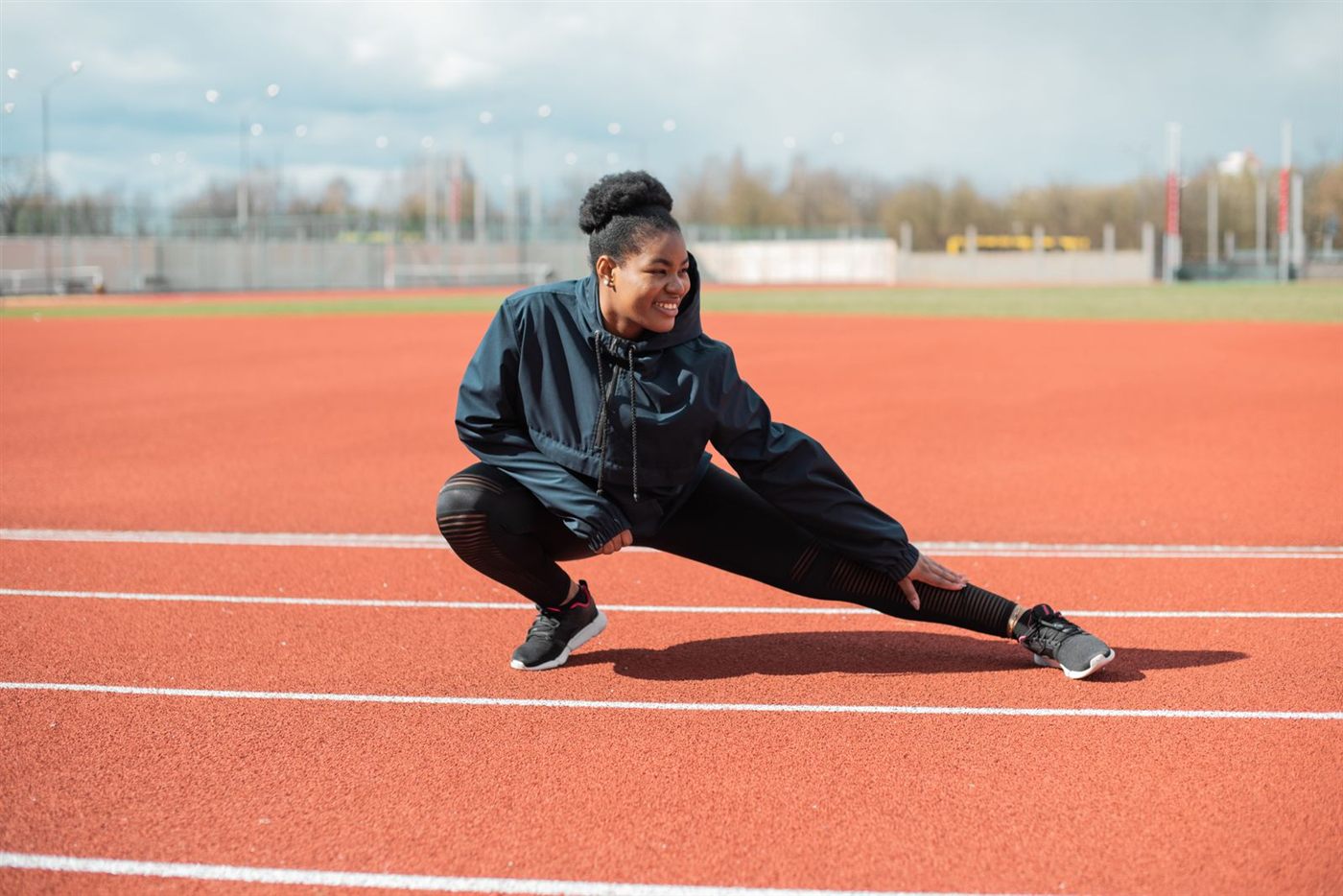
After training. Winding down after exercise.

A quiet evening. Low doses and a calm setting.
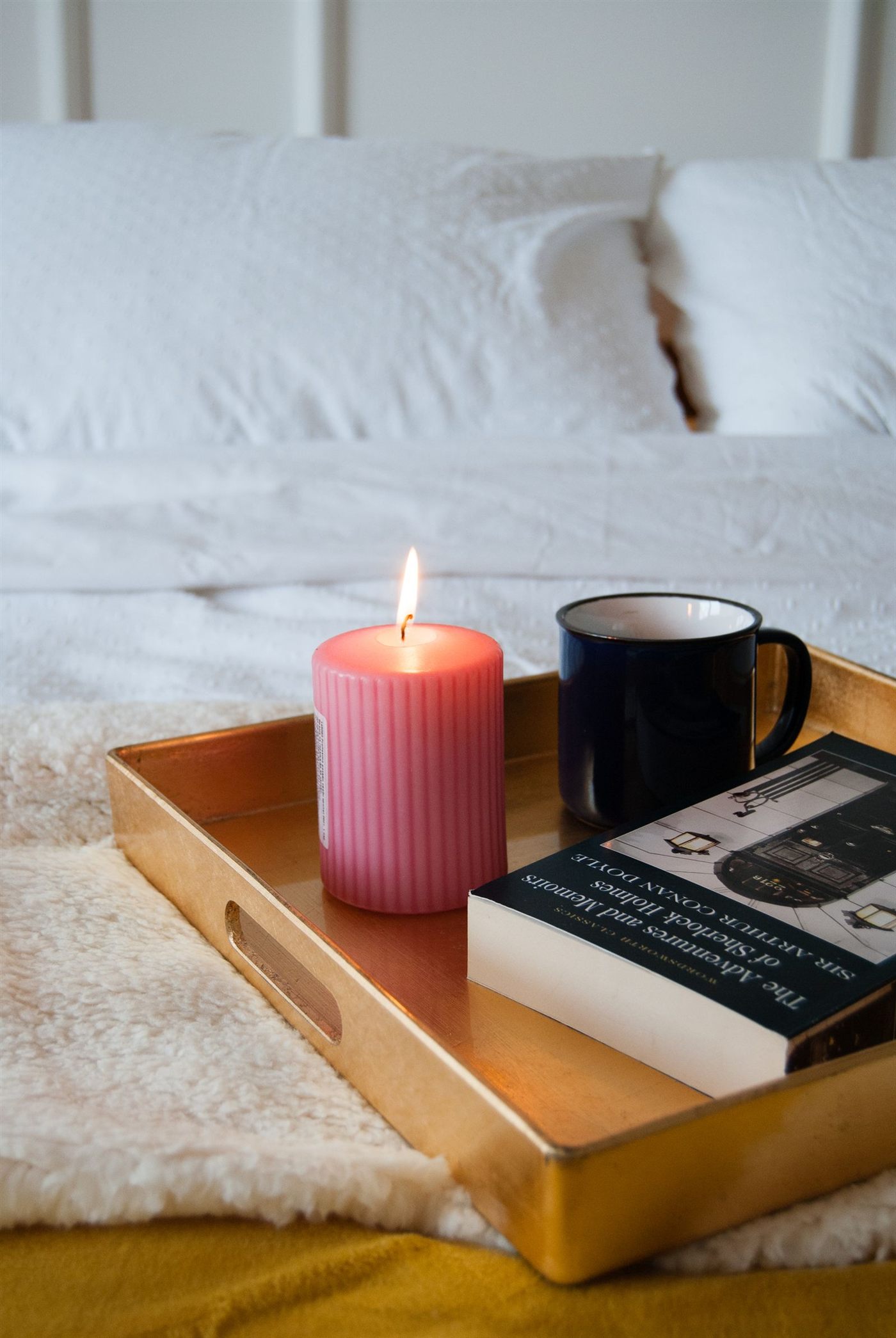
Bedtime. A consistent routine matters more than any one product.
The Short Version
Indica is a useful shorthand for compact plants and a calm, body-first experience, and the classics in this guide are good places to start. But the label is a hint, not a guarantee. The lab report, the harvest date and your own response will tell you more than the word on the jar.