
Utah marijuana laws at a glance
Utah’s medical program is tightly controlled. Patients need a doctor’s recommendation and a state card. They buy from a limited number of licensed pharmacies, and many orders can be delivered. Smoking is not allowed: flower can be vaporized, and you can use edibles, tinctures and topicals.
Without a card, possession is a crime: even a small amount is generally a misdemeanor, and it escalates quickly with quantity. Home growing is not legal, and driving with cannabis in your system can lead to a DUI charge.
The Utah Medical Cannabis Law is also unusual in who runs it. The program started under the Department of Health and Human Services, and lawmakers voted in 2026 to move it to the Department of Agriculture and Food by January 1, 2027. The state says patient access will not change.
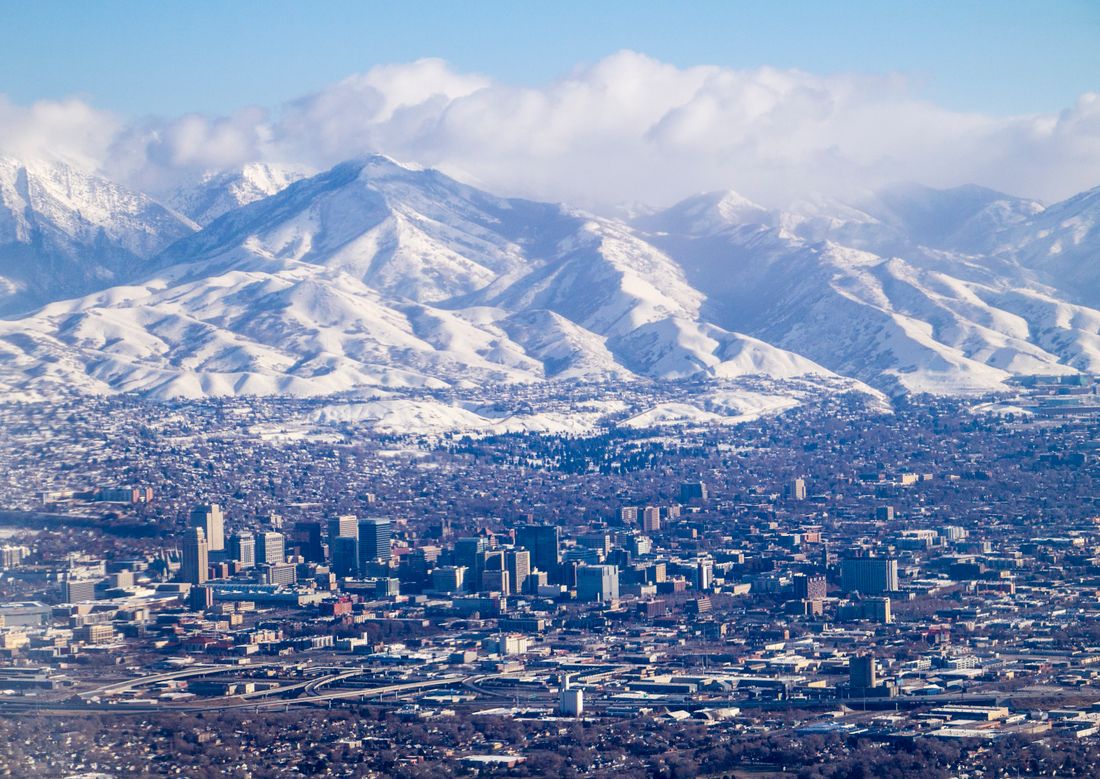
Utah cannabis news and 2026 updates
In 2026 the legislature passed several bills tightening and updating the program, including changes to how pharmacies are licensed and spread geographically, and relaxed background-check rules for caregivers.
Adult-use legalization has no meaningful political support, so most of the action is around patient access and pricing.
Practical notes for Utah
- Do not smoke it; only approved forms are legal.
- Do not bring product from Colorado, Nevada or Idaho.
- Patients should store product in its original package when traveling inside the state.
How Utah got here: cannabis law timeline
Utah’s program was shaped by a compromise between voters and the legislature.
-
2018
Medical
Proposition 2
Voters approve medical cannabis with about 53% of the vote.
-
2018
Medical
Compromise law
A special legislative session replaces the ballot measure with a revised, more restrictive law.
-
2020
Medical
First pharmacies
Licensed medical cannabis pharmacies begin serving patients in March.
-
2026
Reform
New oversight
Lawmakers move administration to the Department of Agriculture and Food, effective by January 2027.
Utah cannabis FAQ
Only for medical patients with a state card. Recreational use is illegal.
No. Smoking is not allowed even for patients. Vaporizing and edibles are permitted.
You need a qualifying condition and a recommendation from a registered provider, then apply to the state.
No. Home cultivation is not allowed.
 CO
 NV
 ID
 AZ