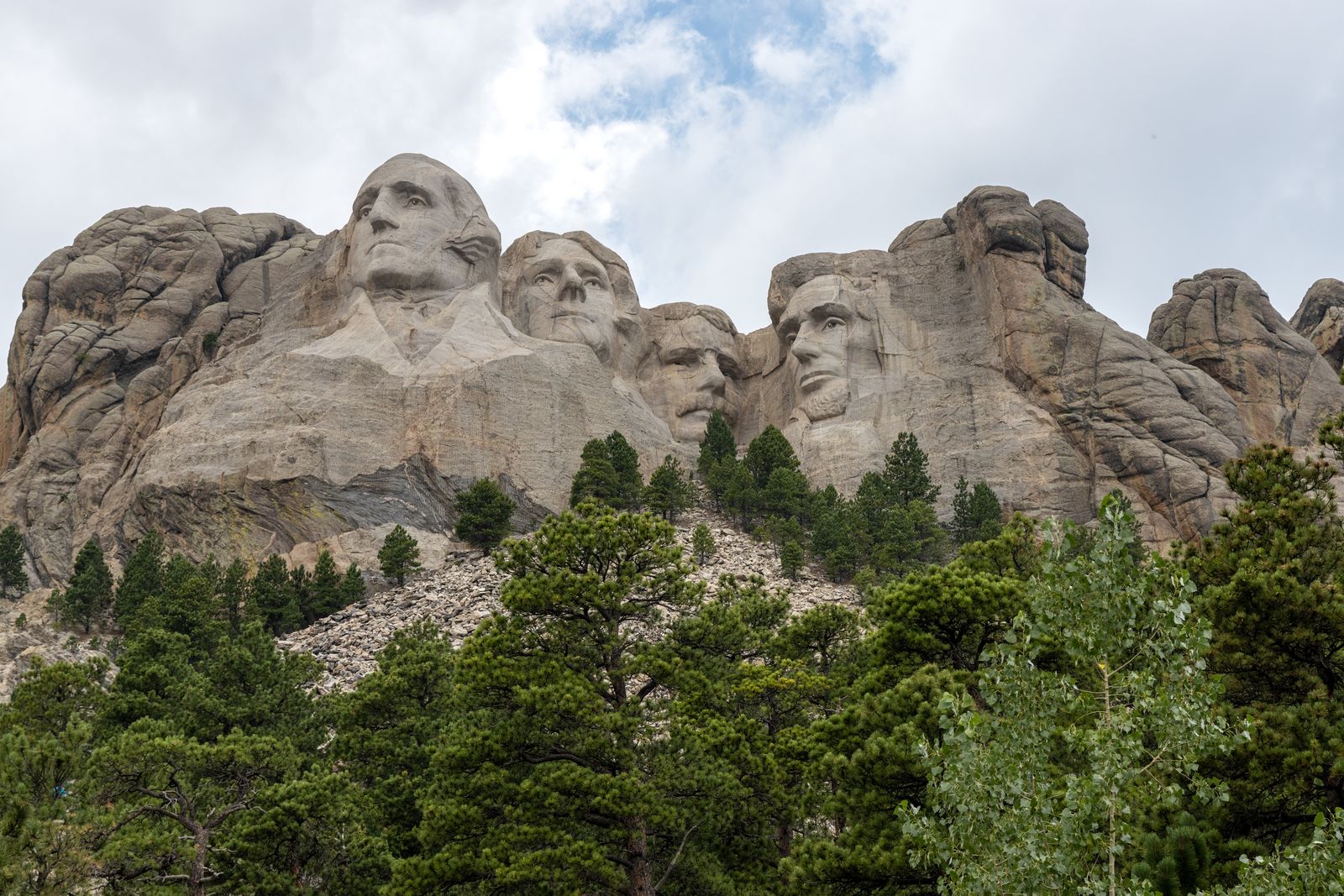
South Dakota marijuana laws at a glance
Patients with a qualifying condition get a state card and buy from licensed dispensaries. Without a card, possession of small amounts is a Class 1 misdemeanor, which can carry up to a year in jail and a $2,000 fine.
The story is more complicated than that. In 2020, South Dakota voters approved both a medical program (Measure 26) and an adult-use constitutional amendment (Amendment A). The state Supreme Court struck down Amendment A in 2021 for violating the single-subject rule, and voters rejected a replacement in 2022.
Some tribal nations in South Dakota run their own cannabis operations under their own rules. Those do not apply to state law off tribal land.
South Dakota cannabis news and 2026 updates
Later efforts to put adult use back on the ballot have come up short, so medical cardholders are the people who see the most day-to-day change.
The federal change to Schedule III for state-licensed medical marijuana applies to the state’s medical licensees.
Practical notes for South Dakota
- Patients should carry their cards and keep product in its original packaging.
- Don’t buy from tribal shops and take it back onto state land.
How South Dakota got here: cannabis law timeline
South Dakota is one of the rare places where courts undid a voter-approved legalization.
-
2020
Milestone
Measure 26 and Amendment A
Voters approve both a medical program and adult-use legalization.
-
2021
Restriction
Amendment A struck down
The state Supreme Court rules the amendment violated the single-subject rule.
-
2021
Medical
Medical program starts
The state begins issuing patient cards in July.
-
2022
Restriction
Measure 27 fails
Voters reject a new adult-use initiative.
South Dakota cannabis FAQ
Only for medical patients. Recreational use is illegal.
Voters approved it in 2020, but the state Supreme Court struck down the amendment in 2021, and a 2022 measure failed.
Possession without a card is a misdemeanor, with up to a year in jail and a $2,000 fine.
Only in limited cases for patients.
 ND
 NE
 MN
 IA