The Beverage Revolution
Cannabis beverages have emerged as one of the fastest-growing segments in the industry. Driven by the "sober-curious" movement and demand for functional, low-dose social alternatives to alcohol, the market is projected to reach between $1.3 billion and $4 billion in 2026.
The appeal is simple: a predictable, controlled buzz without the hangover, the calories, or the health risks associated with alcohol.
Innovation Behind the Bottle
The technology driving this category forward is nanoemulsion—a process that breaks THC molecules into tiny particles for faster absorption. Key innovations include:
- Near-instant onset: Many products now deliver effects within 5-15 minutes, matching the speed of alcohol.
- Precise dosing: Low-dose formulations (typically 2.5-5mg THC per serving) allow for "sessionable" consumption.
- Improved flavor profiles: Advances in formulation have eliminated the characteristic cannabis taste that plagued early products.
The Regulatory Turning Point
The most critical development for the beverage industry in 2026 is a looming federal regulatory shift. Following legislative action in late 2025, a ban on certain hemp-derived THC products is set to take effect in November 2026.
This regulation forces a fundamental pivot: the new nationwide limit of 0.4 mg of total THC per finished product container will effectively remove most current hemp-derived THC beverages from general retail shelves.
Industry Response
In anticipation of the ban, brands are pursuing several strategies:
- Reformulation: Companies are exploring non-THC alternatives, such as botanical compounds and adaptogenic ingredients, to maintain their "alcohol-free buzz" market position.
- Licensed retail pivot: Some brands are shifting distribution to state-licensed dispensaries where cannabis-specific regulations apply.
- Legislative advocacy: Industry groups are lobbying for carve-outs that would protect established low-dose beverage categories.
What's Next for Cannabis Beverages
While 2026 serves as a "reset" year, the long-term trajectory remains bullish. Consumer demand for healthier social alternatives is structural, not cyclical. The brands that navigate this regulatory transition successfully will be positioned to capture significant market share in the licensed cannabis retail channel.
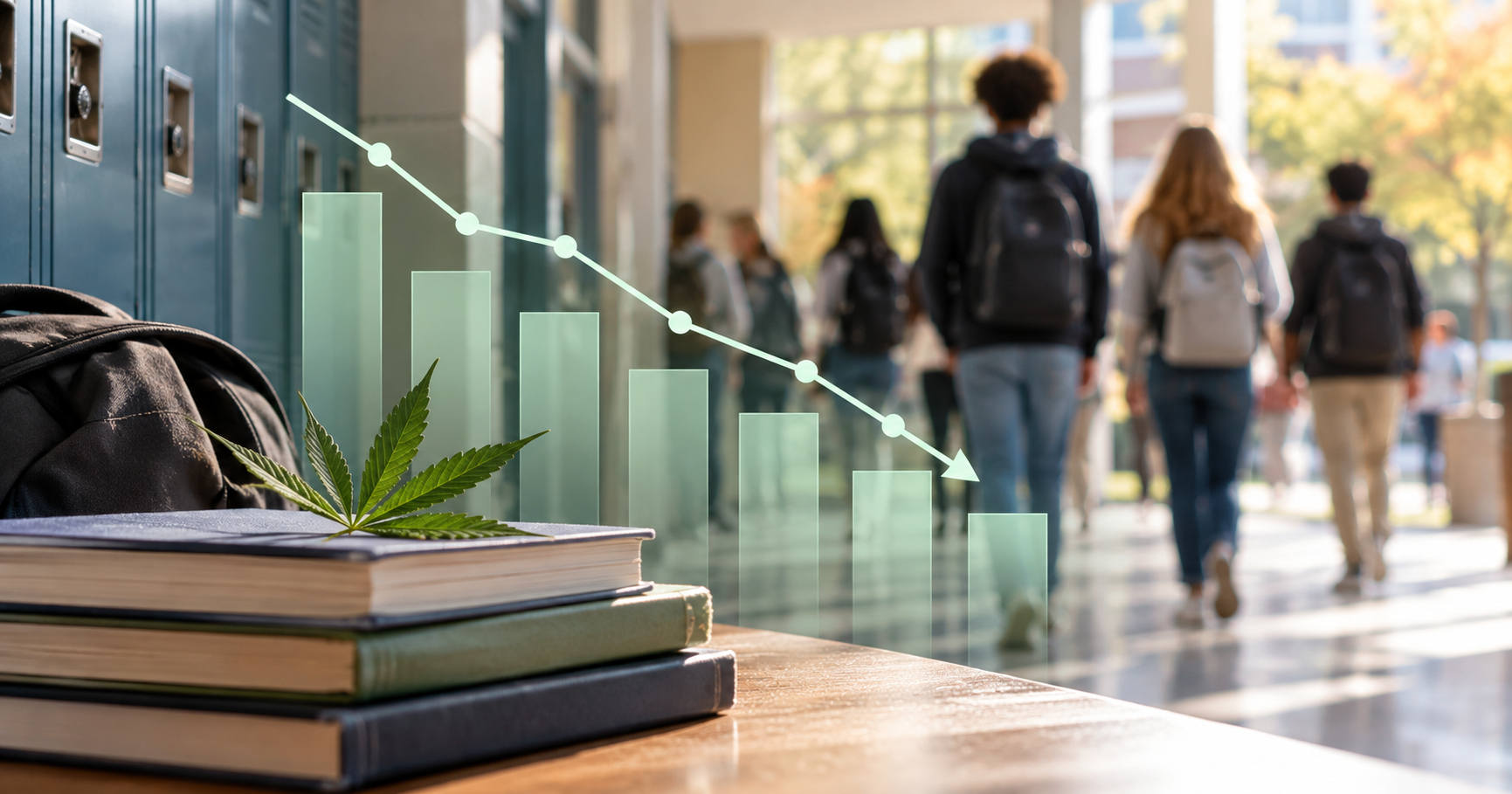 Teen Cannabis Use in U.S. Falls to 12.9%, New CDC Survey Data Shows
Sep 23, 2026
Teen Cannabis Use in U.S. Falls to 12.9%, New CDC Survey Data Shows
Sep 23, 2026